
ISS’ review takes into consideration the following when a say-on-pay proposal receives less than 70% support:
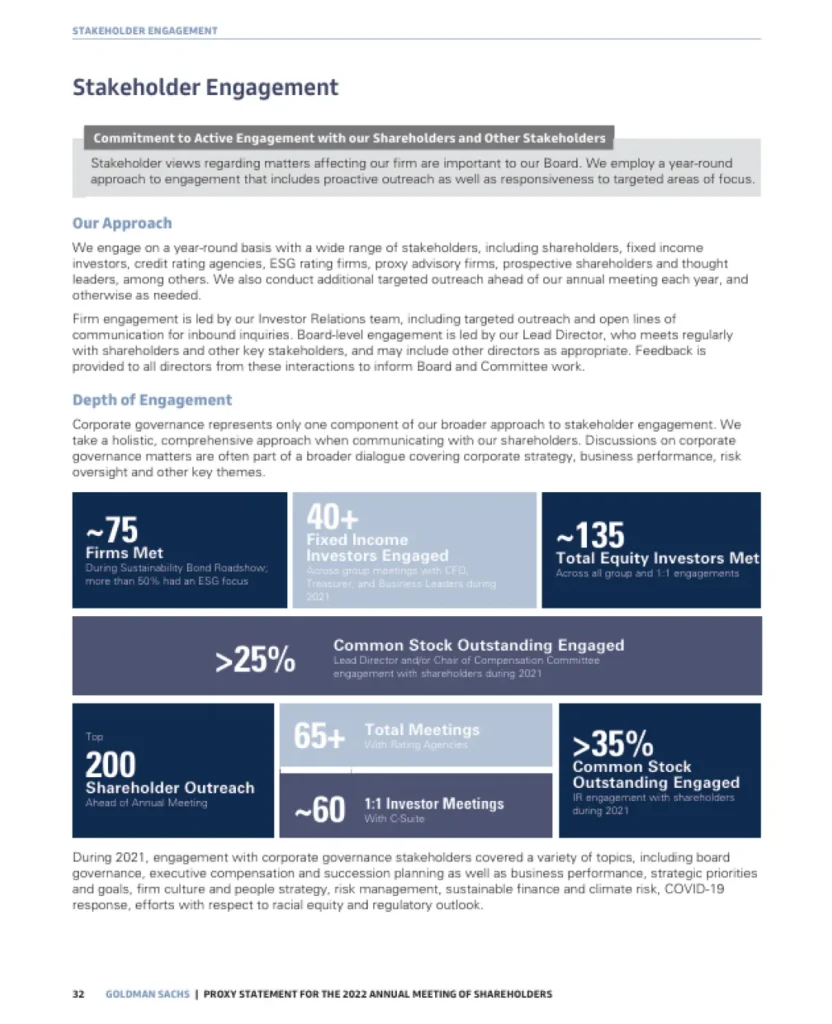
- The disclosure of details on the breadth of engagement, including information on the frequency and timing of engagements, the number of institutional investors, and the company participants (including whether independent directors participated);
- The disclosure of specific feedback received from investors on concerns that led them to vote against the proposal;
- Specific and meaningful actions taken to address the issues that contributed to the low level of support;
- Other recent compensation actions taken by the company and/or the persistence of problematic issues;
- Whether the issues raised are recurring or isolated;
- The company’s ownership structure; and
- Whether the proposal’s support level was less than 50 percent, which would warrant the highest degree of responsiveness.
https://www.issgovernance.com/file/policy/latest/americas/US-CompensationPolicies-FAQ.pdf
Glass Lewis’ review takes into consideration the following when a say-on-pay proposal receives less than 80% support
Our review of a company’s practices also takes into consideration the compensation committee’s response to previous say-on-pay votes and the level of shareholder support. When a company receives low support for its say-on-pay proposal, we believe the compensation committee should provide some level of response to shareholders’ concerns, including engaging with large shareholders to identify the concerns driving the opposition. Shareholders should also expect adequate disclosure of any such engagement and any resulting feedback or changes being made to address outstanding concerns.
Disclosure Examples
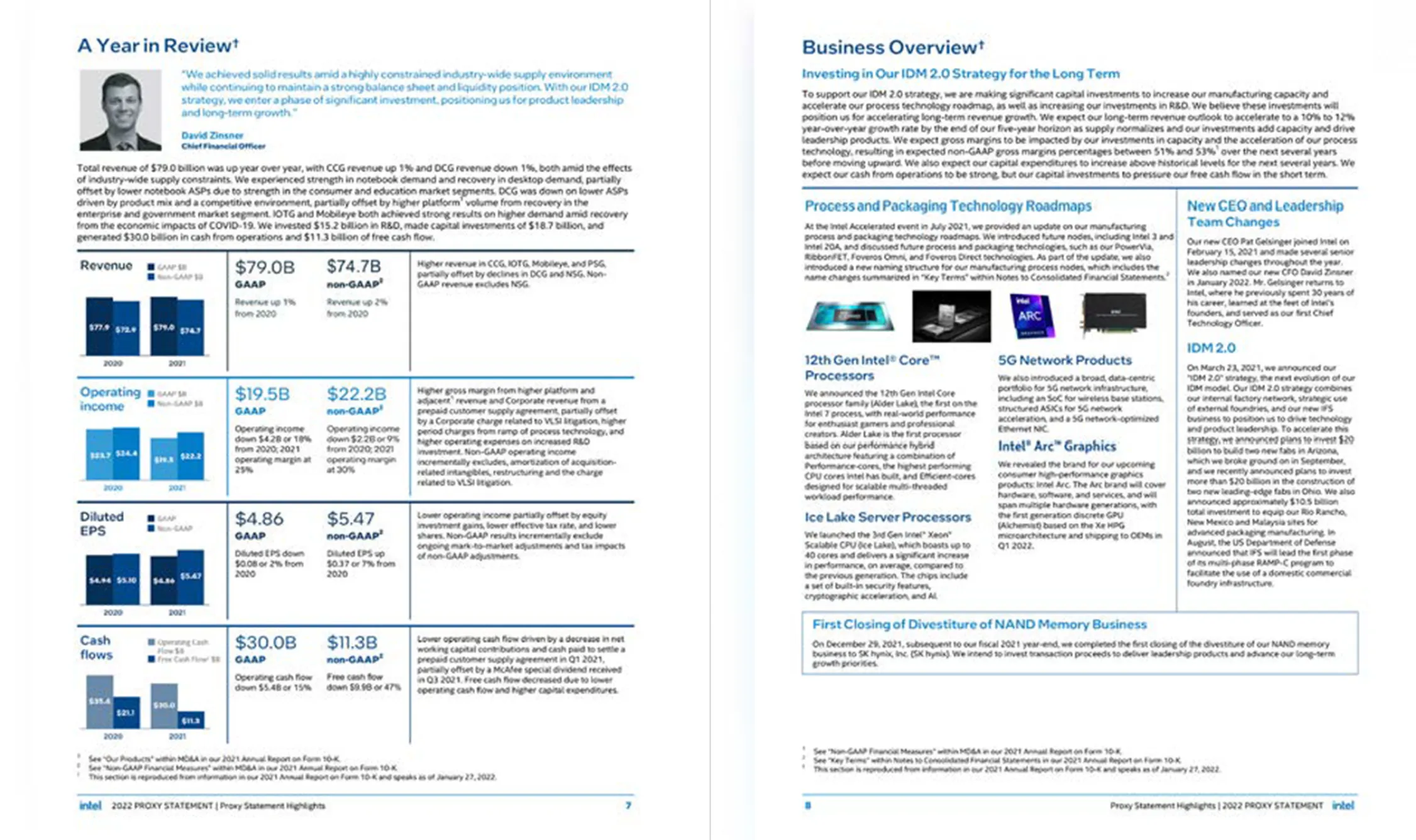
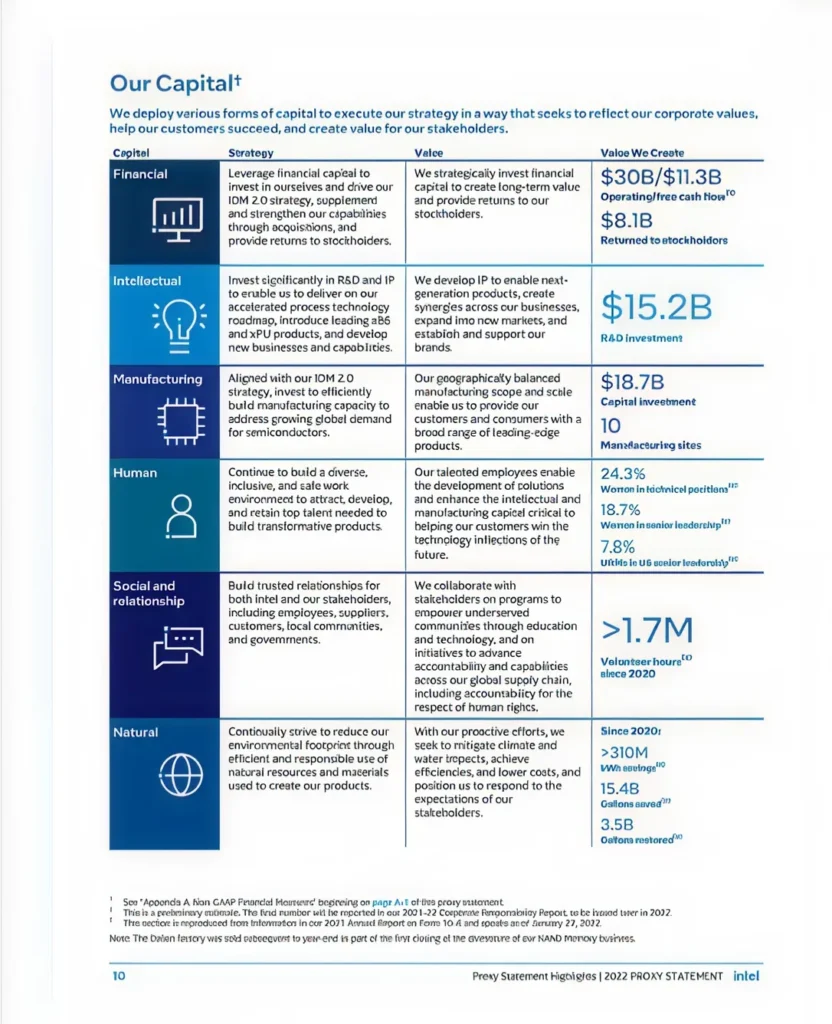
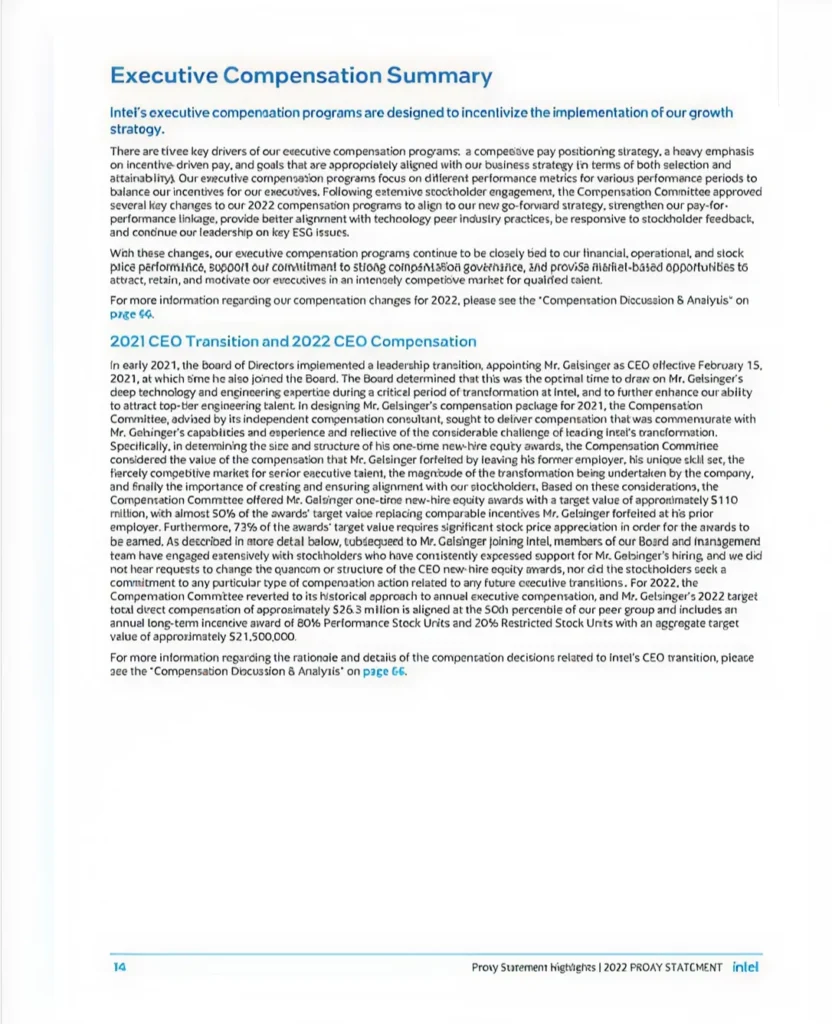
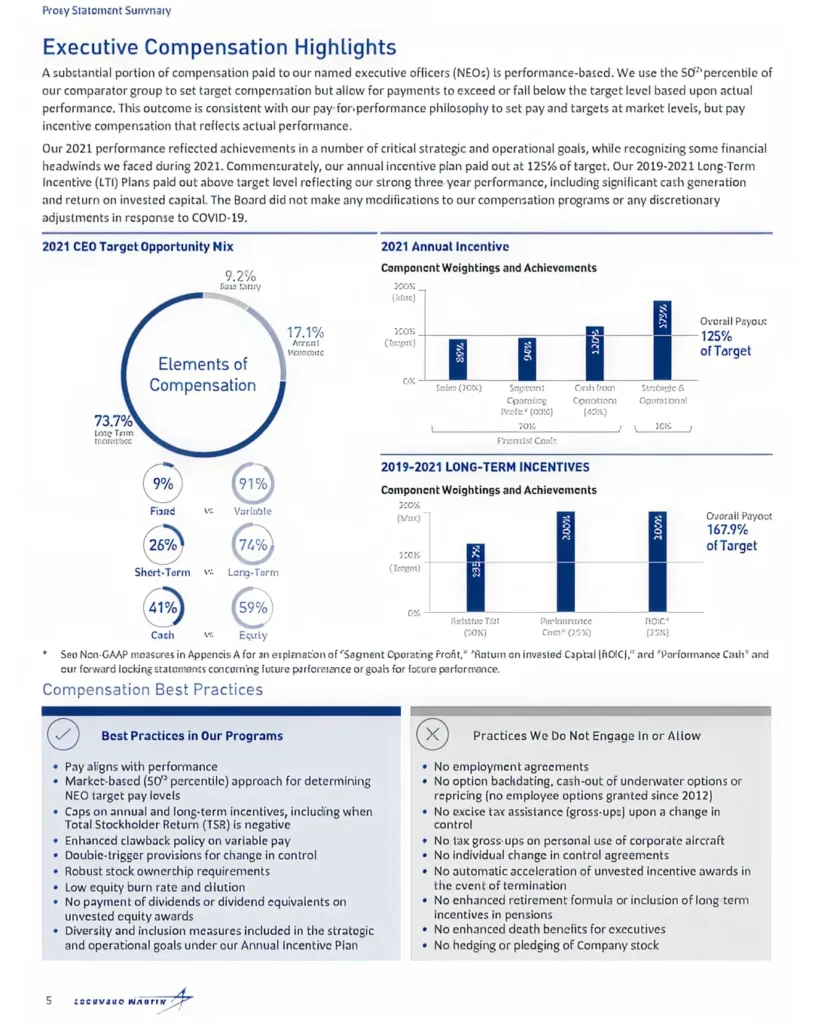
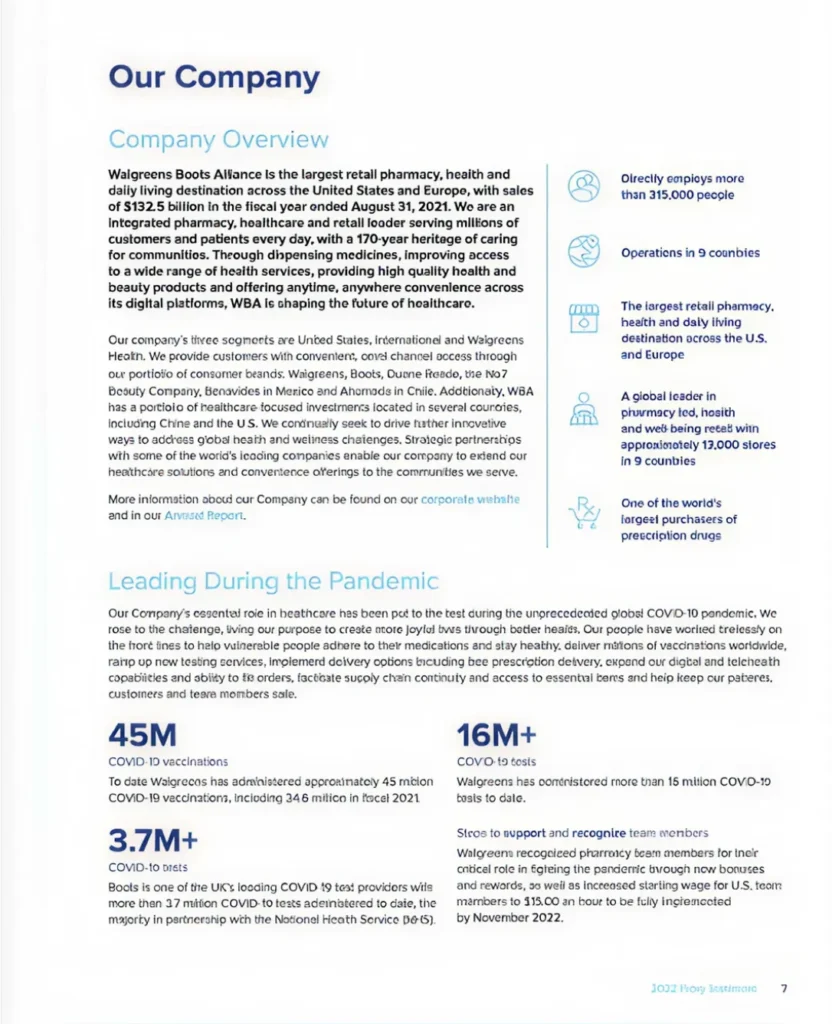
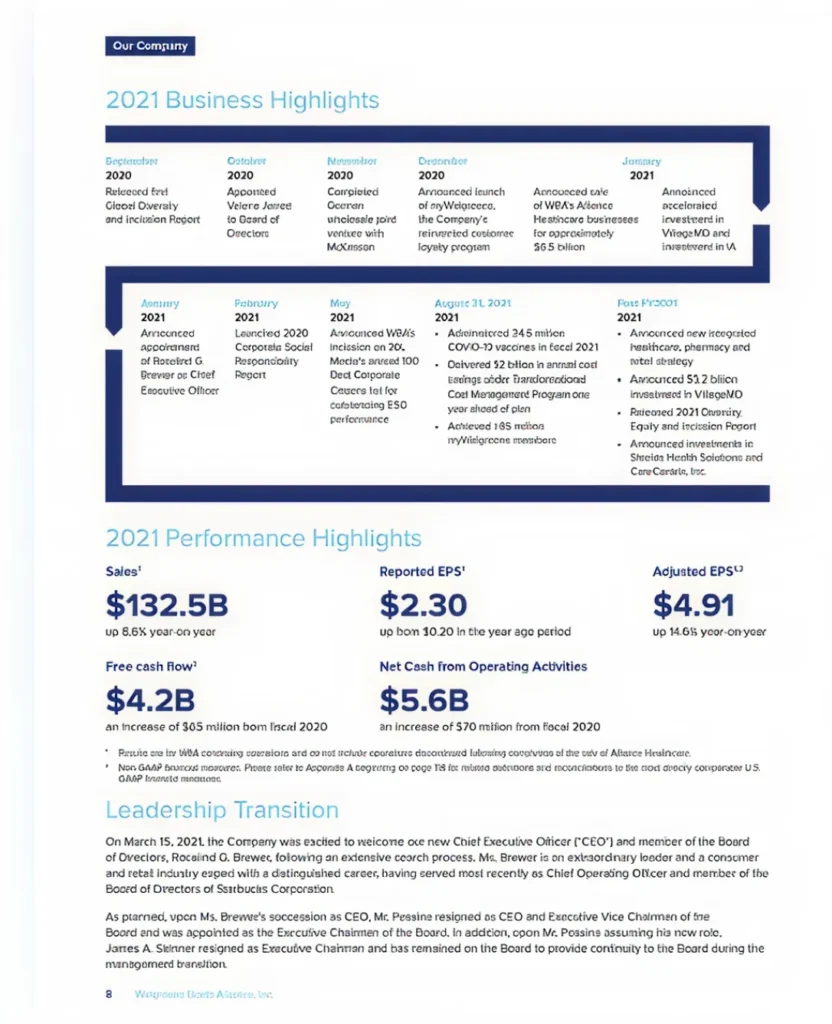
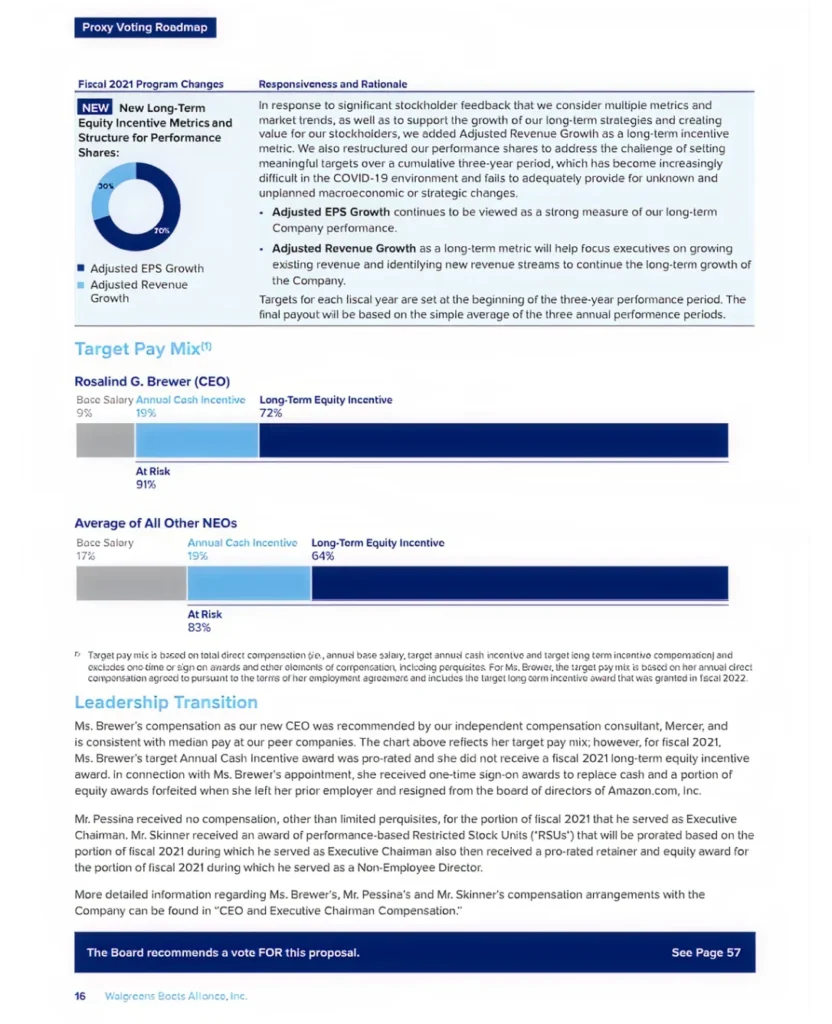
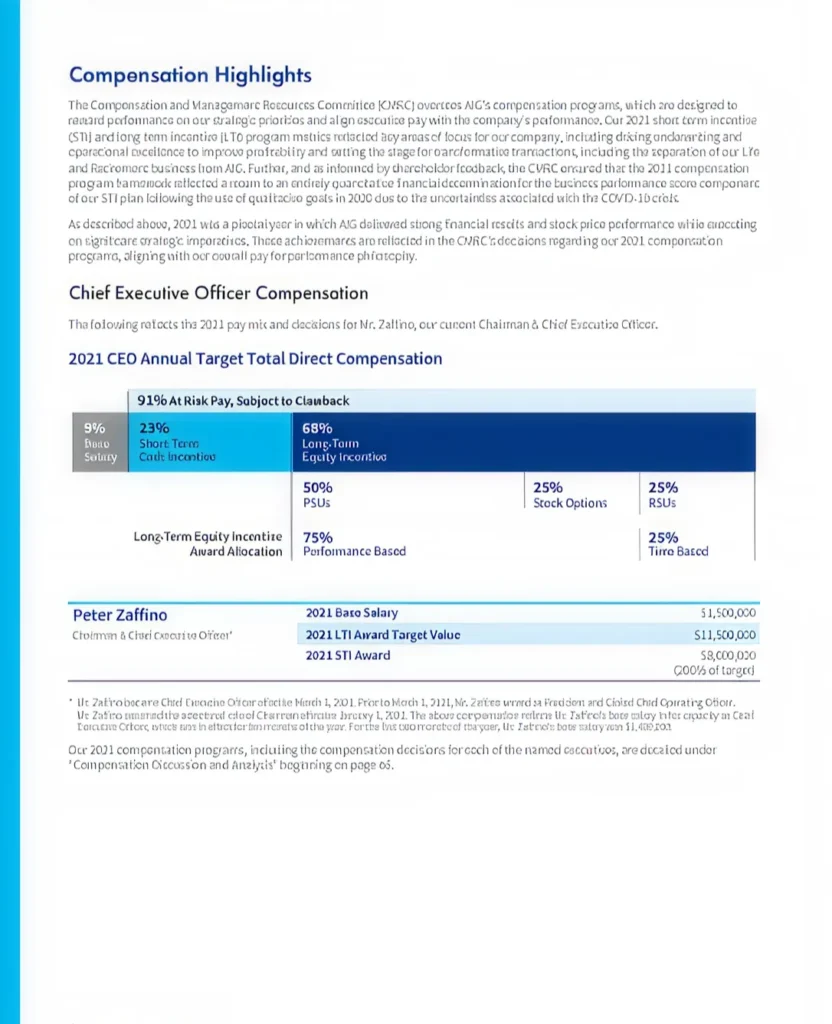
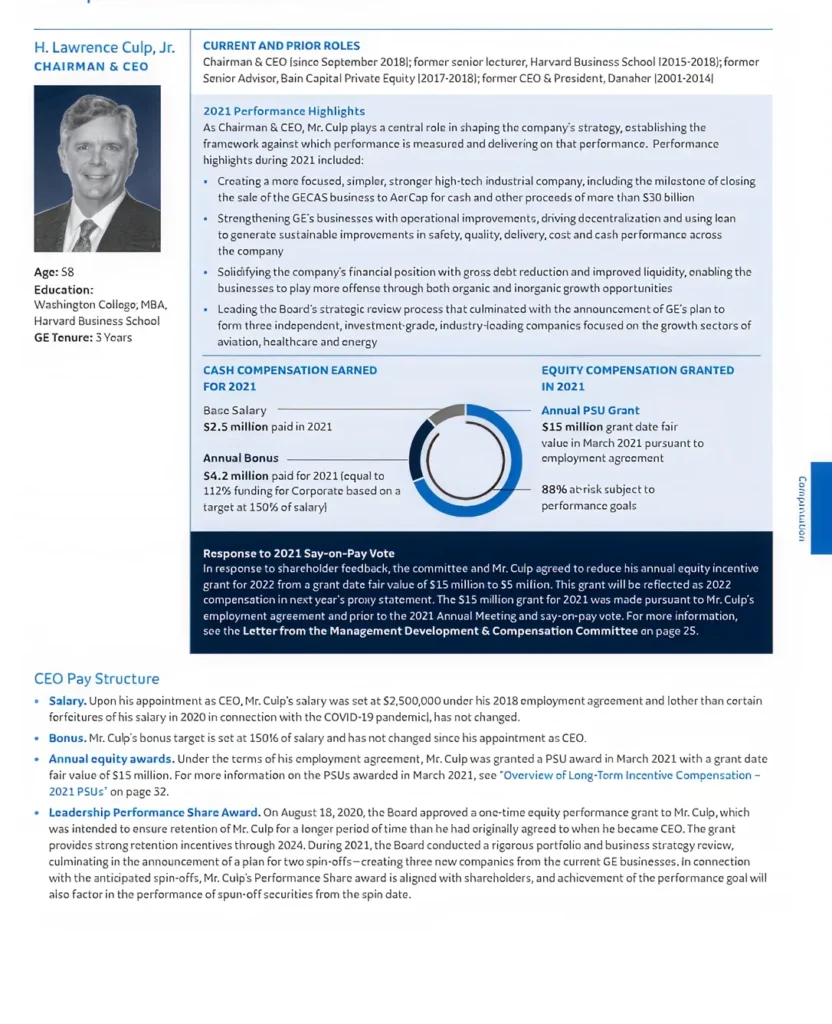
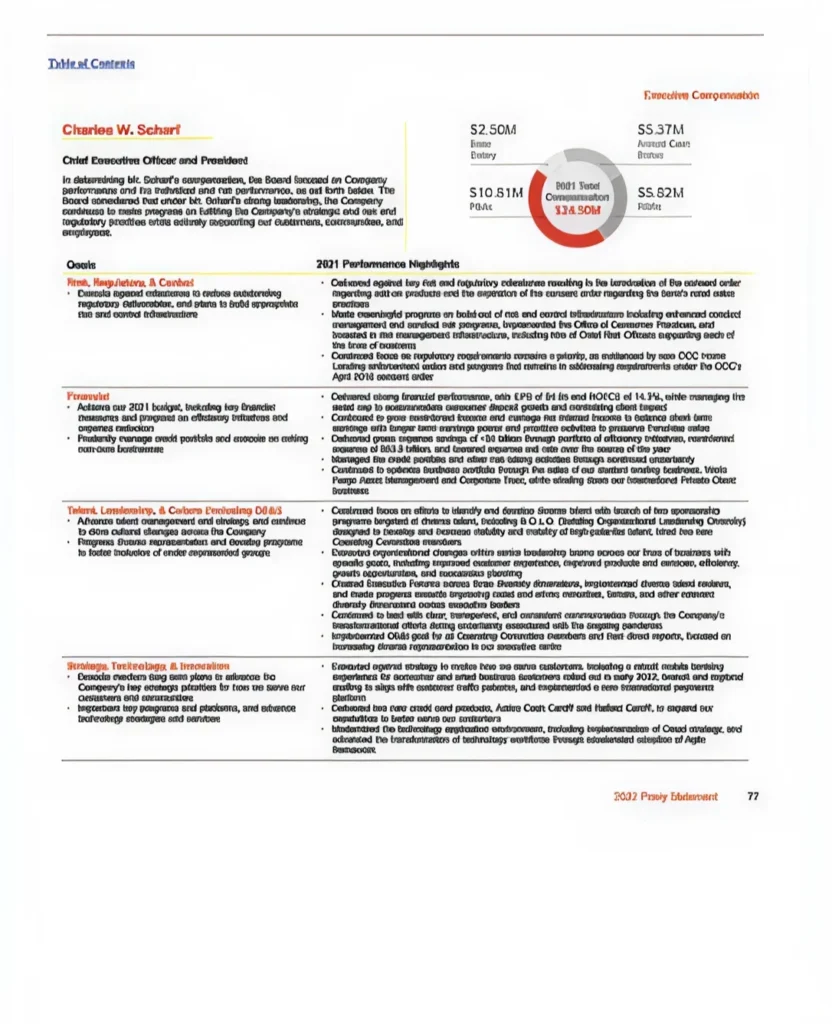
Presenting Compensation in the Proxy Summary
- To reduce duplication, consider a “light” approach to compensation information in the Proxy Summary with the “compensation story” pages being in the CD&A.
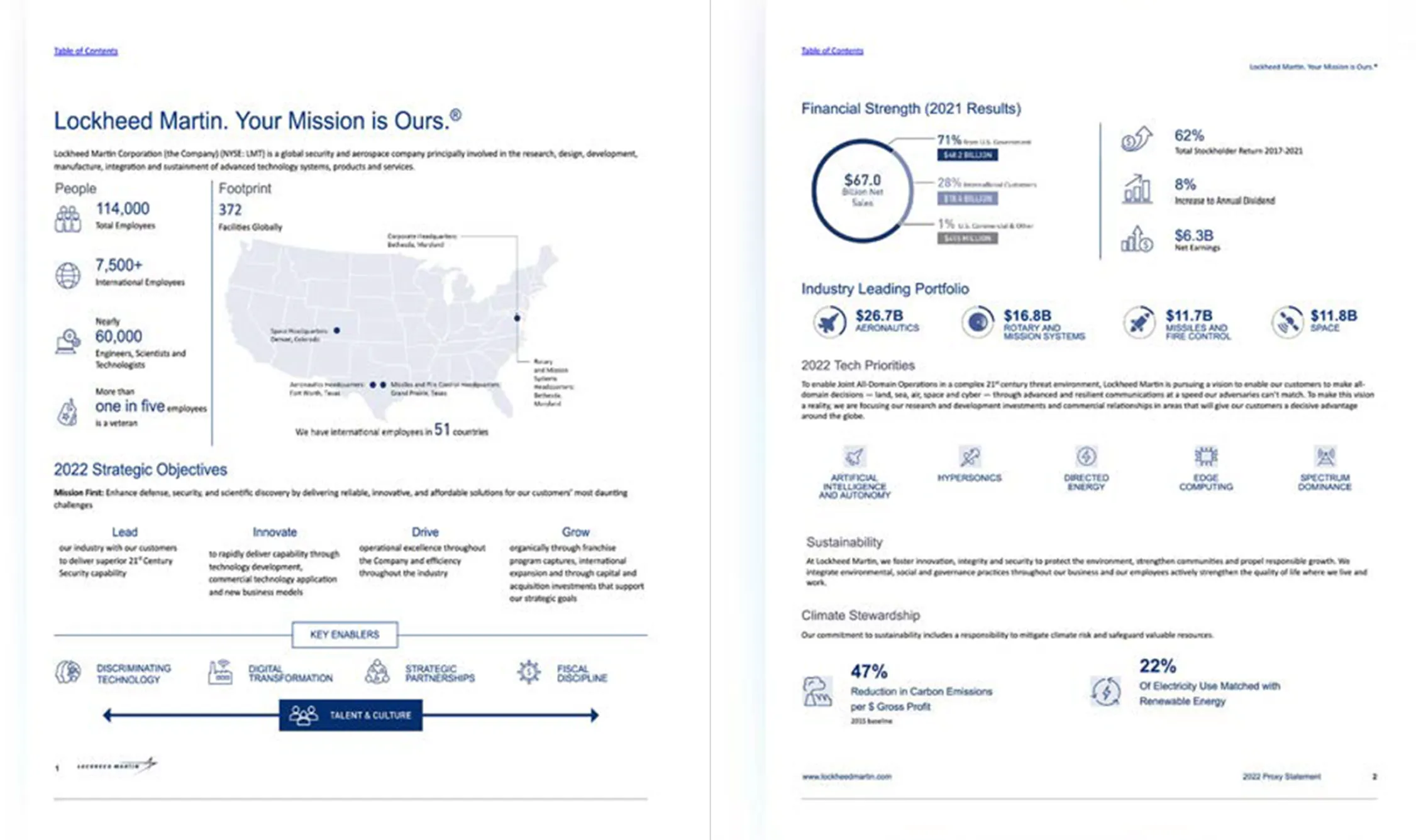
- Elements to consider for the Proxy Summary, as appropriate:
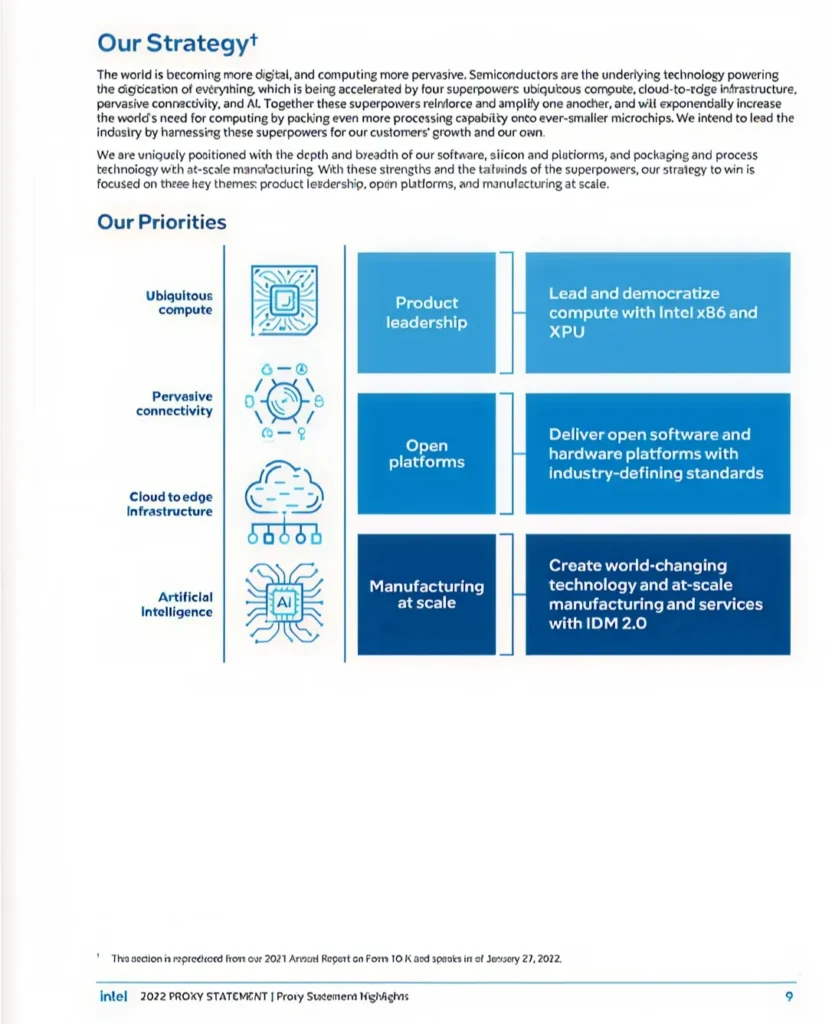
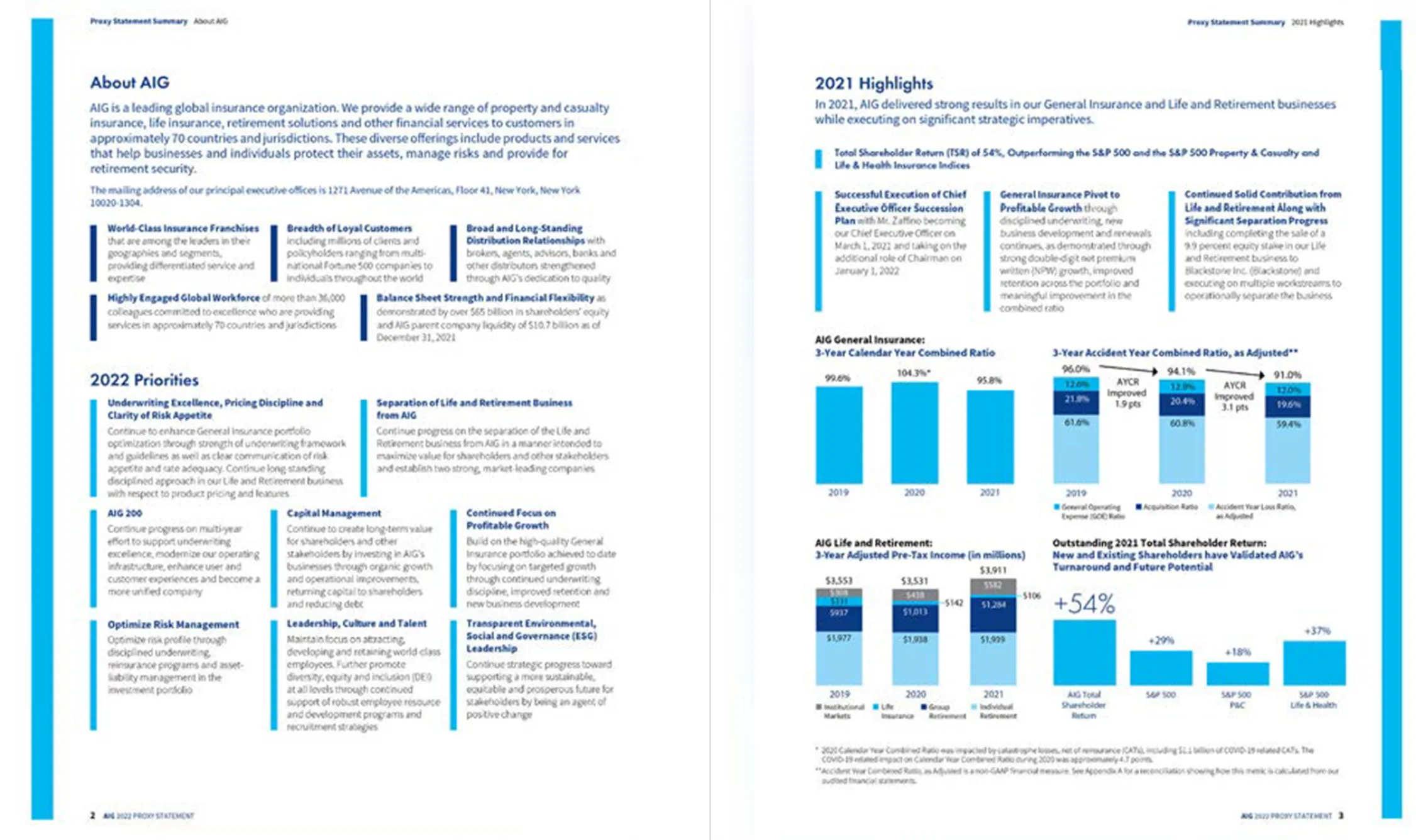
- The breadth and scope of the business (background about the company).
- Business highlights (not necessarily specifically tied to compensation metrics, although financial and non-financial results tied to compensation metrics should be included).
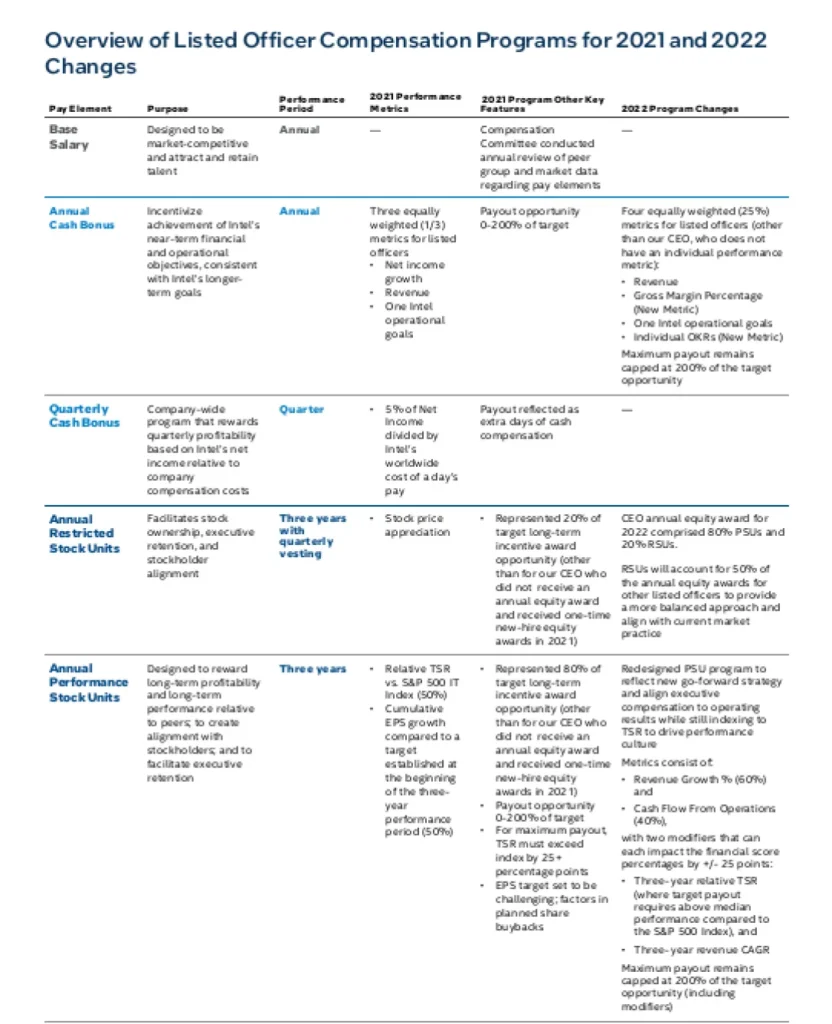
- Compensation elements and their metrics (not goals or outcomes – the summary introduces readers to the compensation plan).
- Pay for performance alignment over time – with the performance metric that’s most relevant for the company and its industry.
- Compensation governance (“what we do / don’t do”).
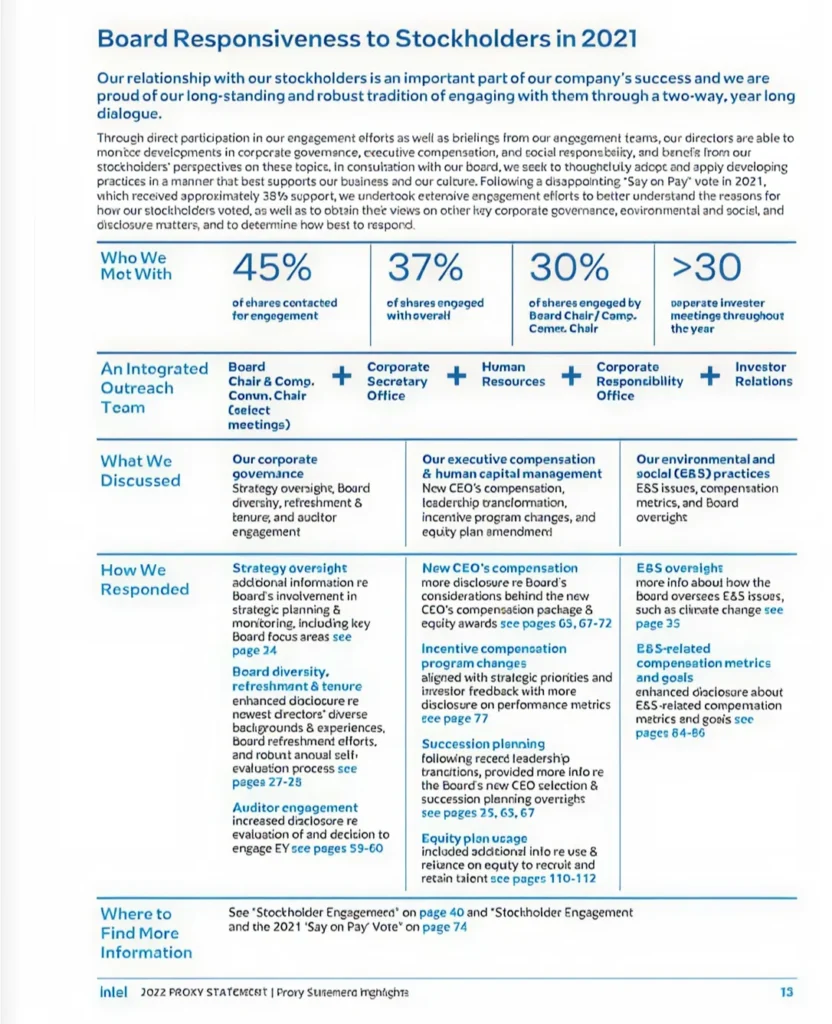
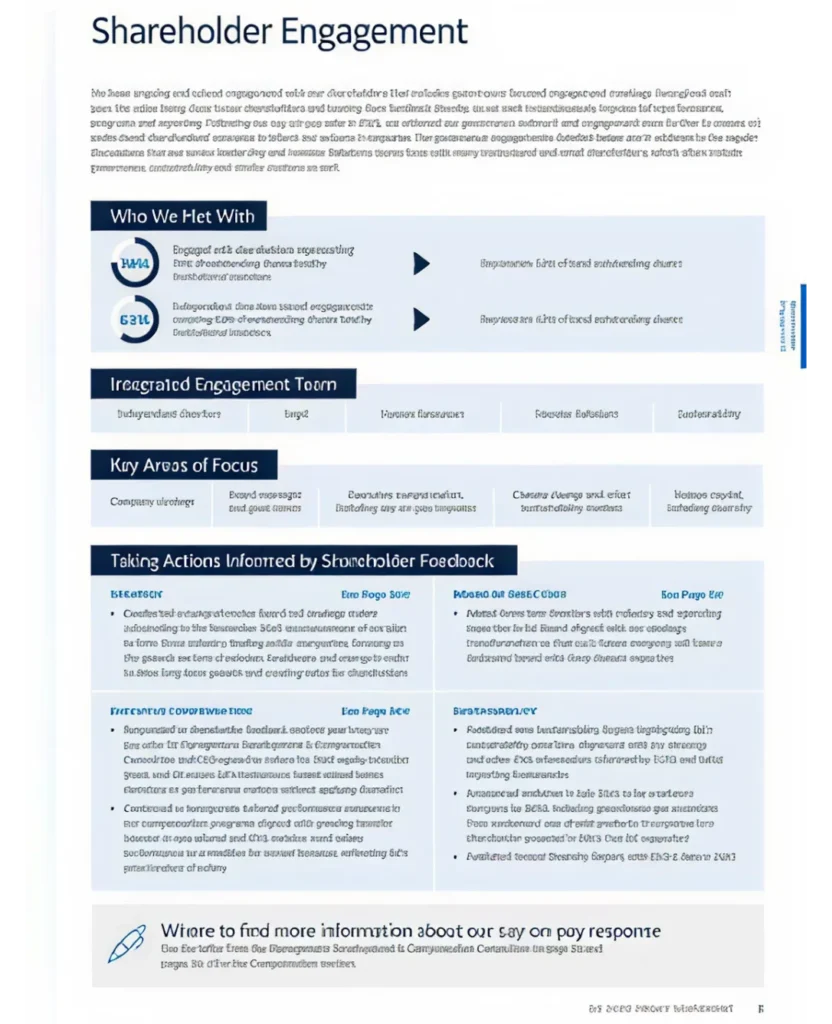
- Shareholder outreach and a summary of resultant changes.
- If it tells the right story, consider also showing (briefly/visually) that the program works by showing pay for performance over time, whether that is actual pay, realizable pay, or plan payouts over a 3- or 5-year period.
Shareholder Outreach and Changes Made as a Result
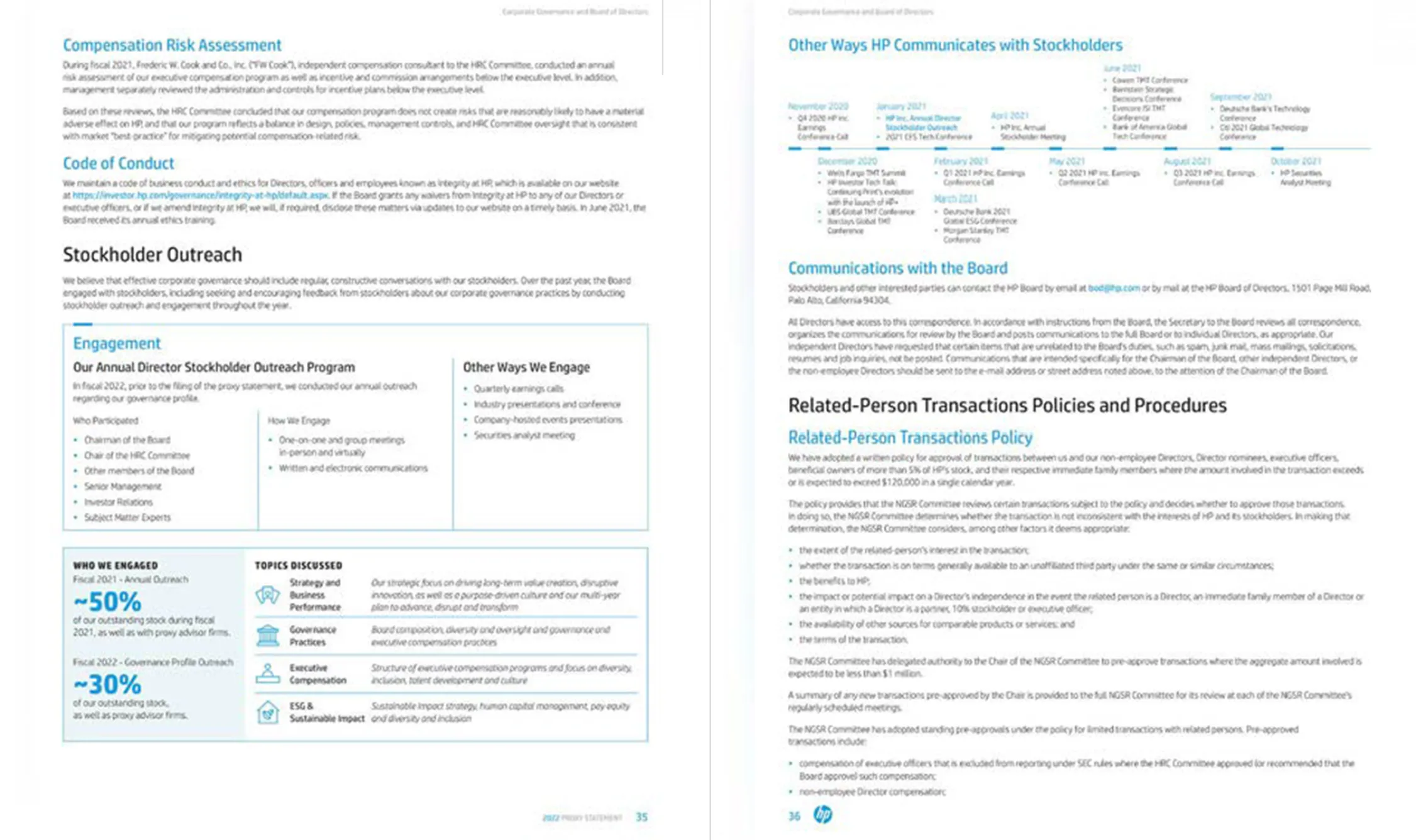
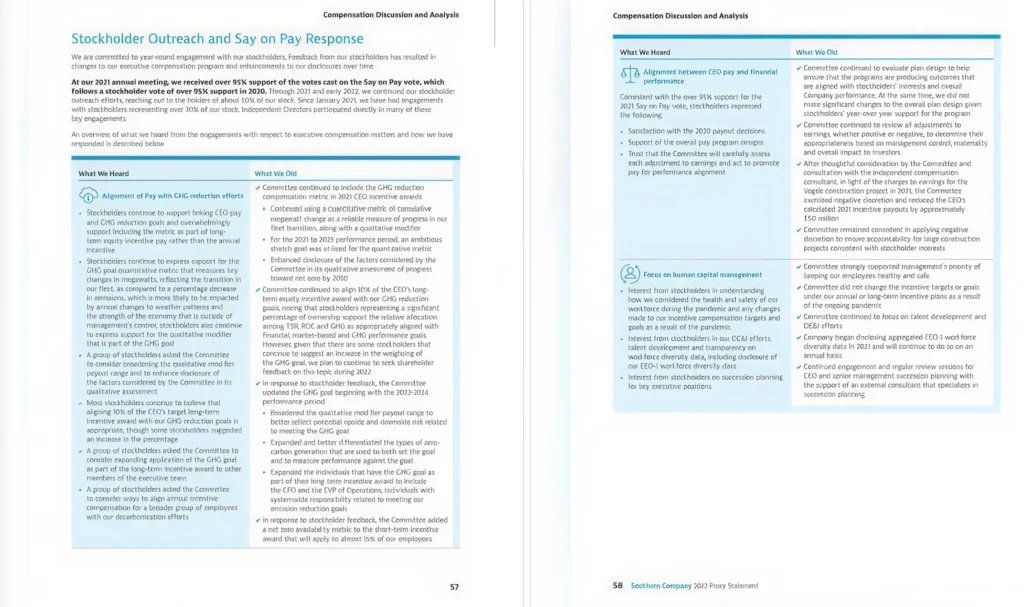
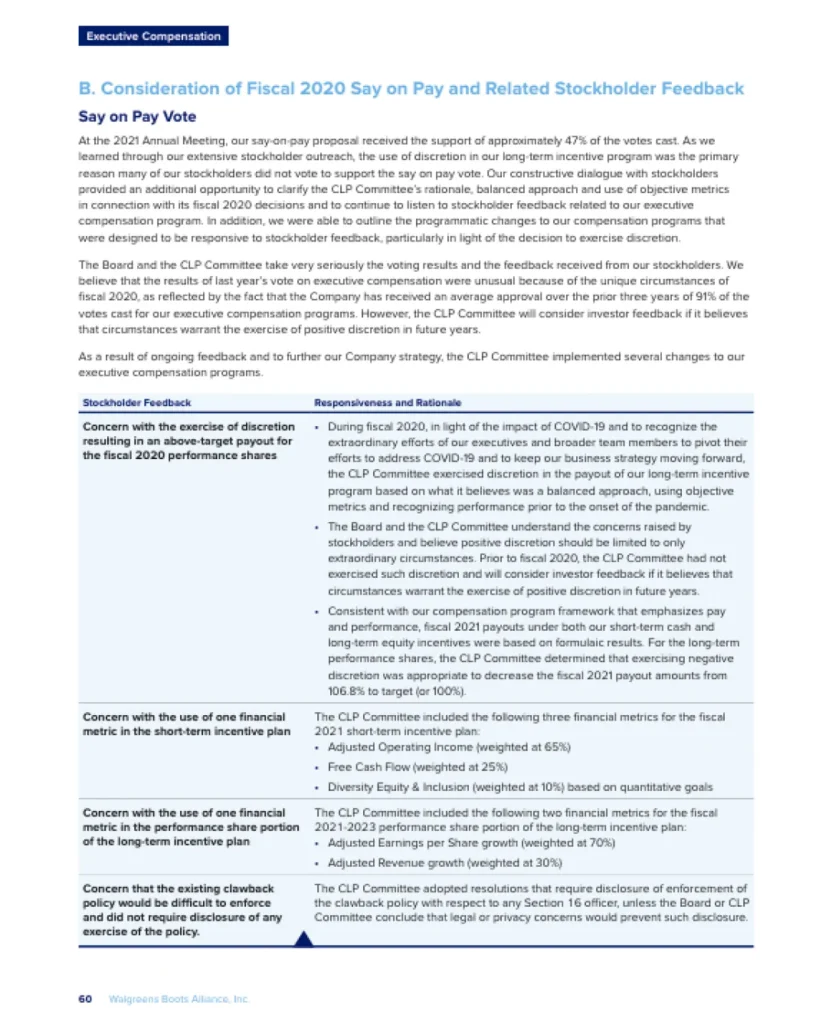
- First and foremost, proxy advisors will be looking for a robust presentation of shareholder engagement. Our interpretation of the ISS guidelines is that, in addition to the usual participants/process/feedback discussion, companies should also present facts specifically about the feedback from shareholders voting no, and how the company addressed these concerns. ISS will take board engagement after dissent into consideration when formulating its recommendation on this year’s SOP and incumbent compensation committee members. Glass Lewis’ general expectation is that boards will respond to shareholder dissent.
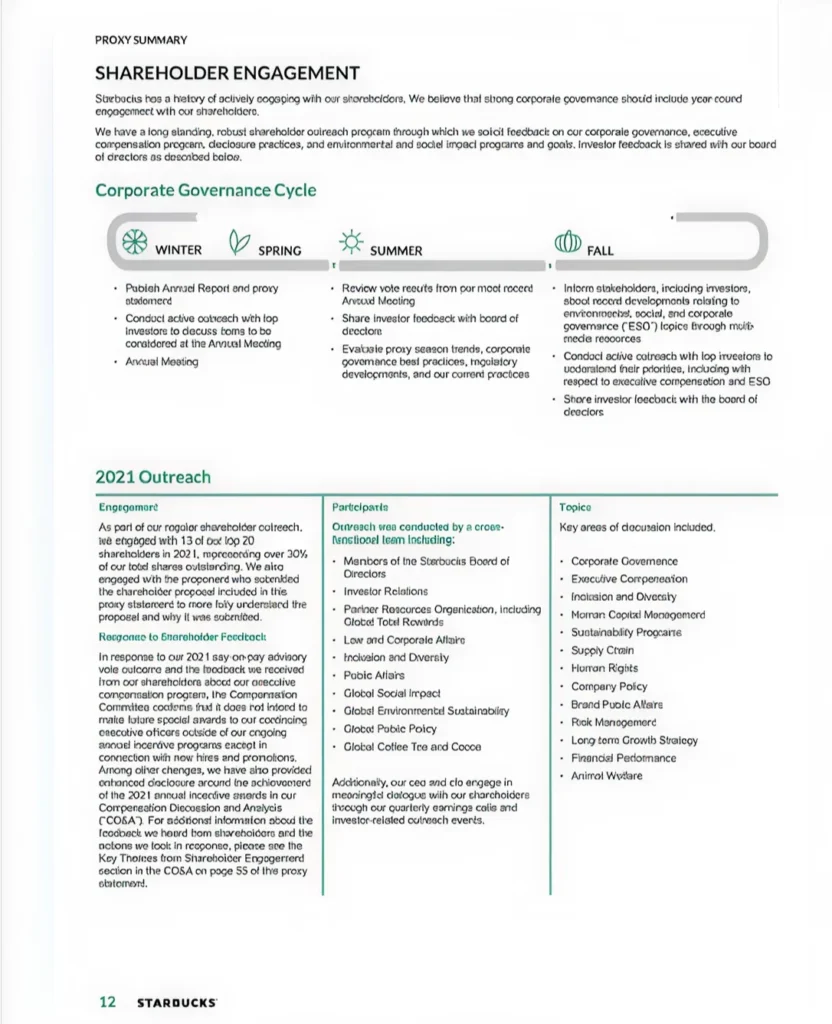
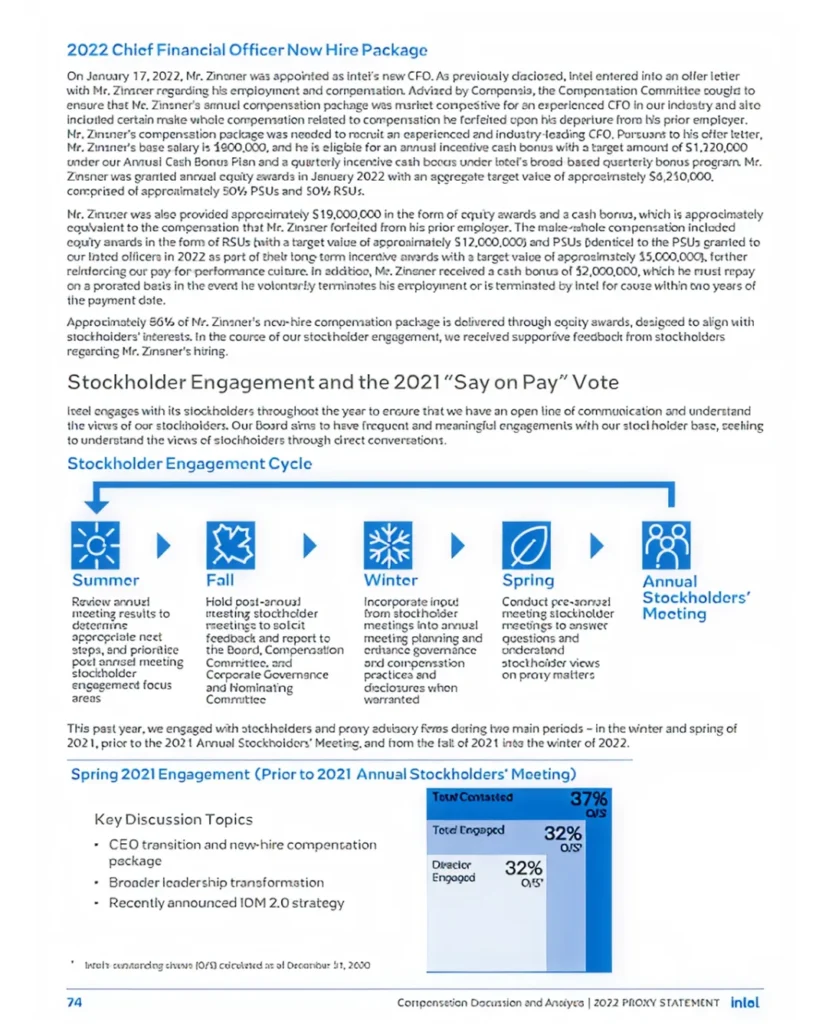
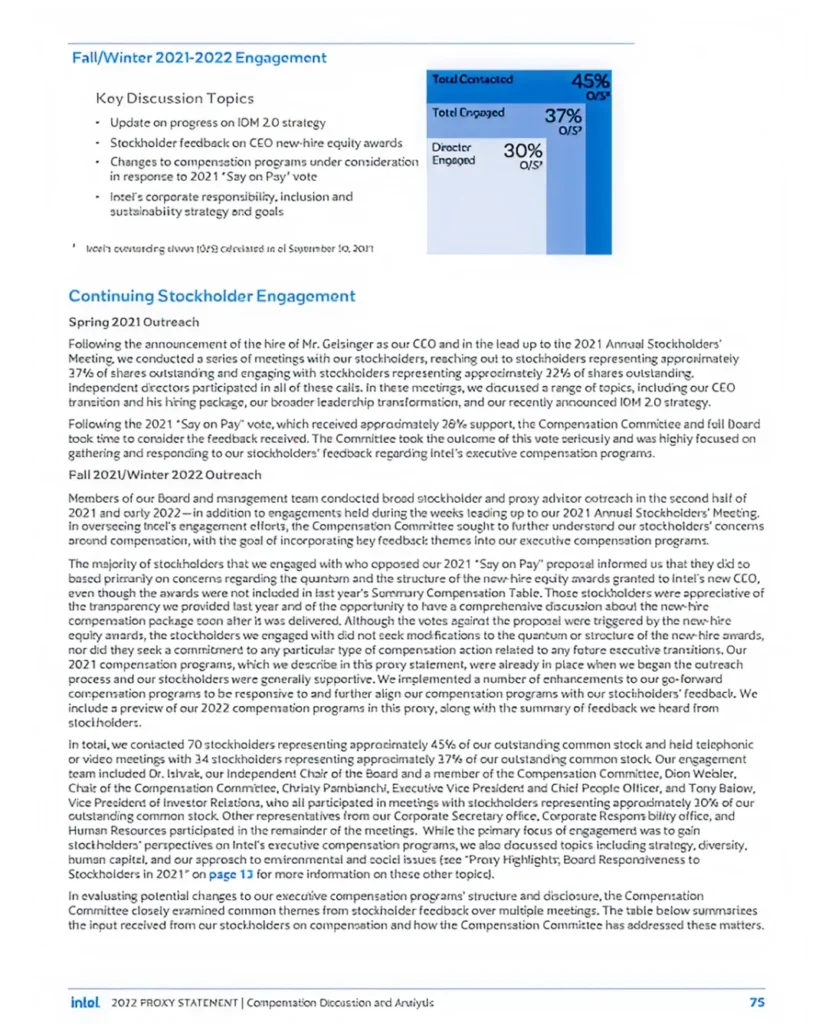
- Efforts made to solicit feedback from shareholders since the last Annual Meeting:
- “Year-round” shareholder outreach process and cycle
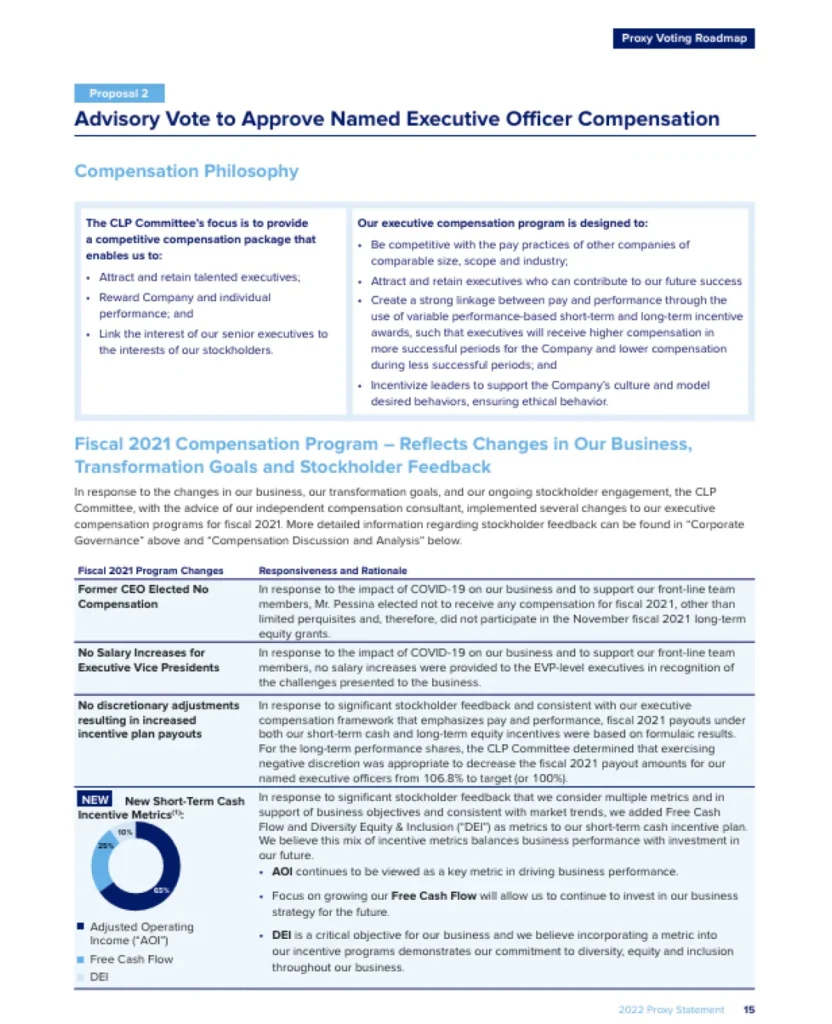
Changes Made as a Result of Shareholder Outreach
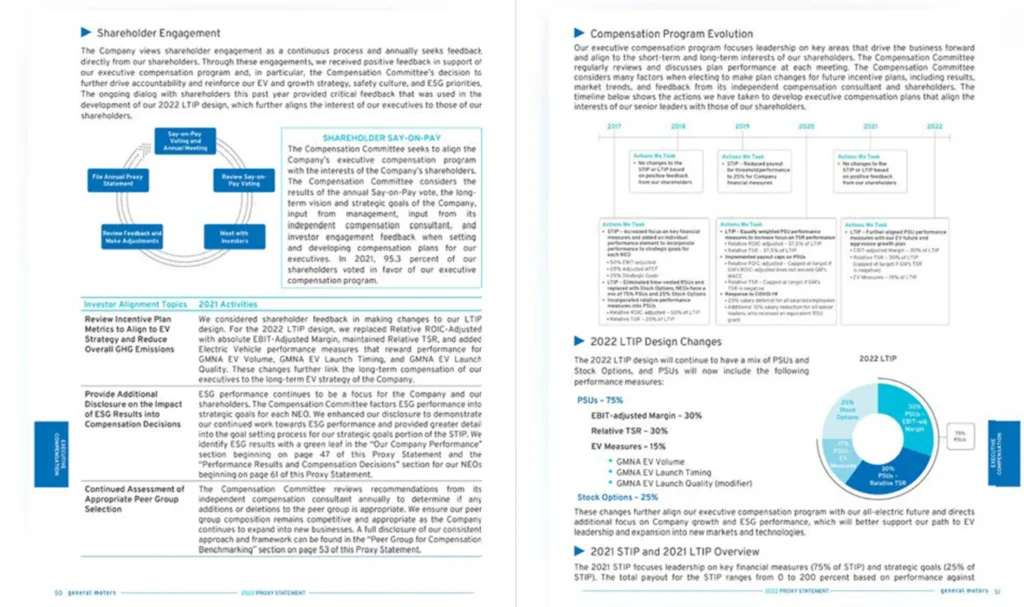
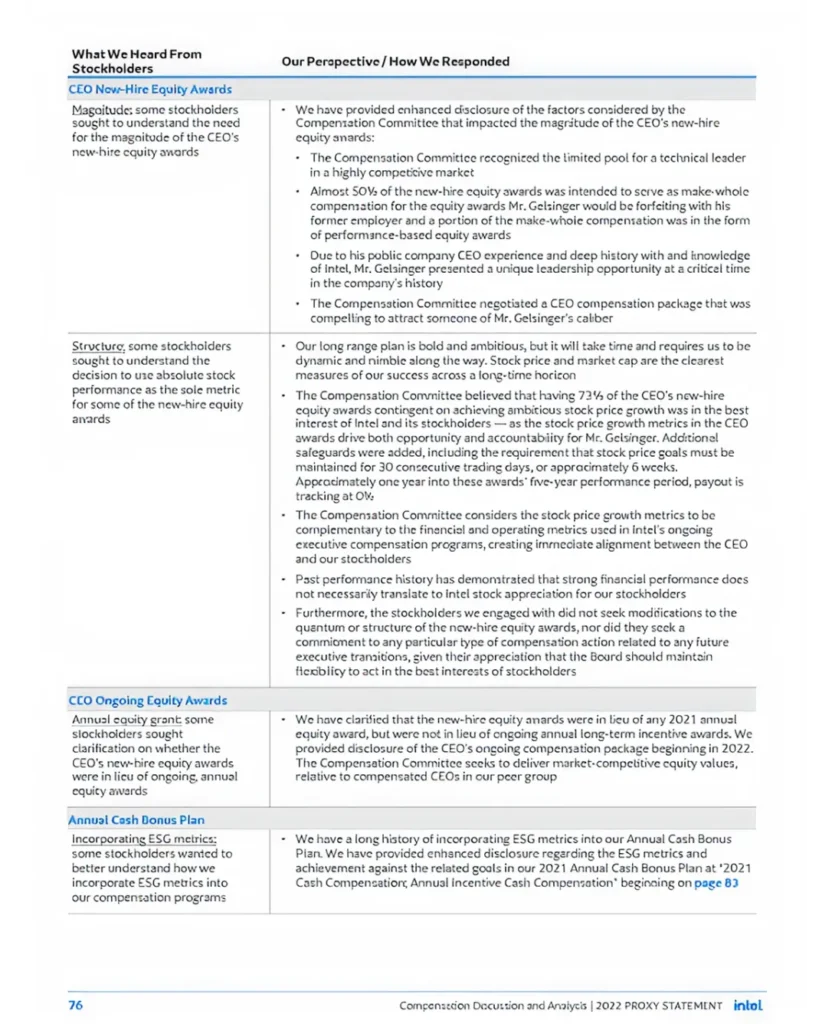
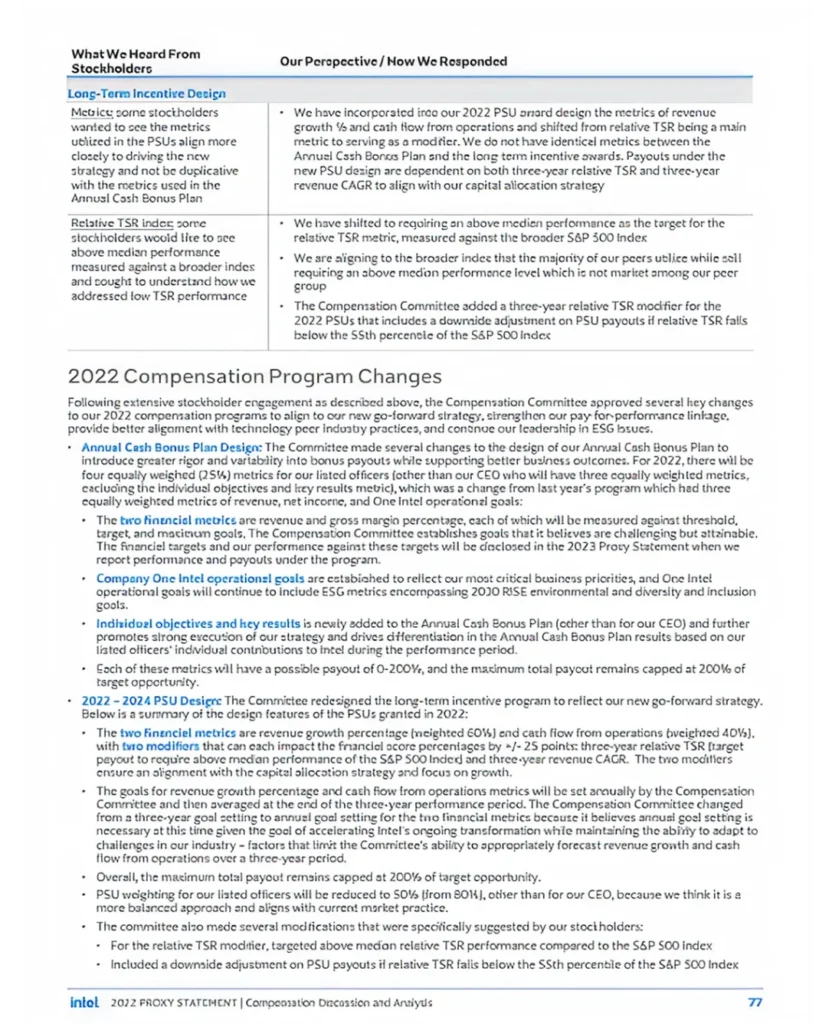
- Any changes to the compensation program should be clearly highlighted and emphasized. Particularly if additional changes were made following last year’s say-on-pay vote, we would suggest visually showing changes over multi-year period and emphasizing that the evolving program is in line with shareholder feedback – even better if the program has evolved in line with the company’s strategic transformation initiatives.
- Timeline of changes:
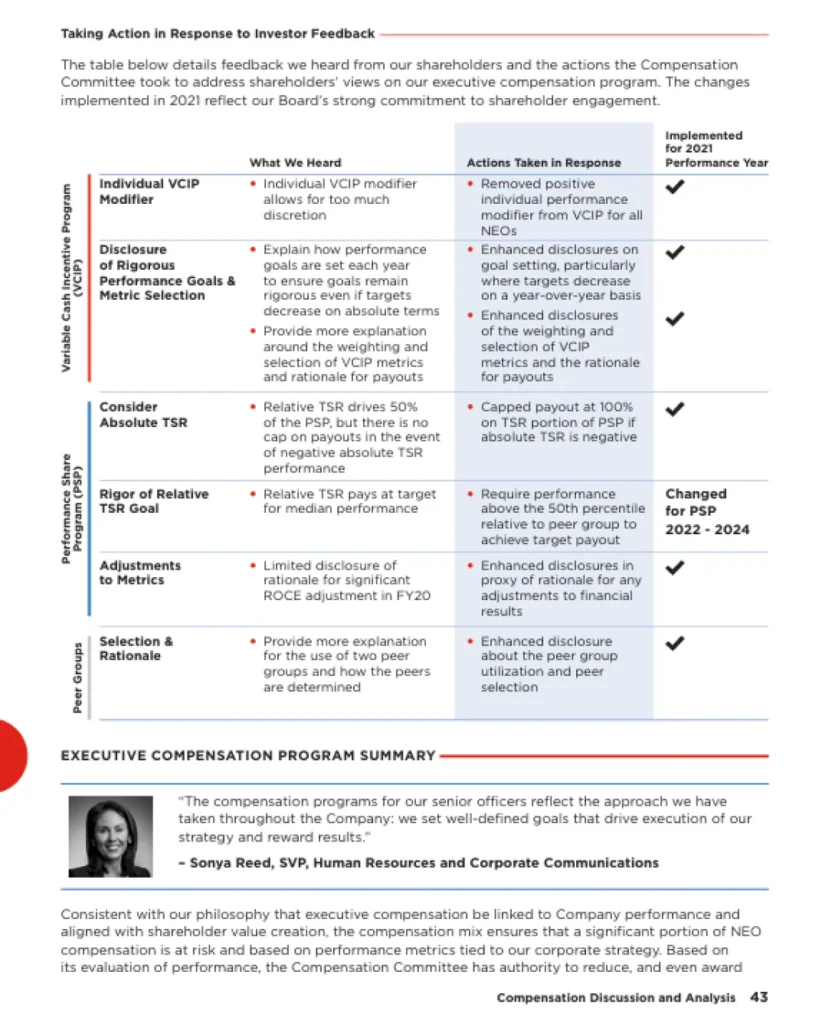
- A visually impactful chart to highlight “what we heard / what we did” may be presented in the proxy summary and the CD&A:
Changes Made as a Result of Shareholder Outreach
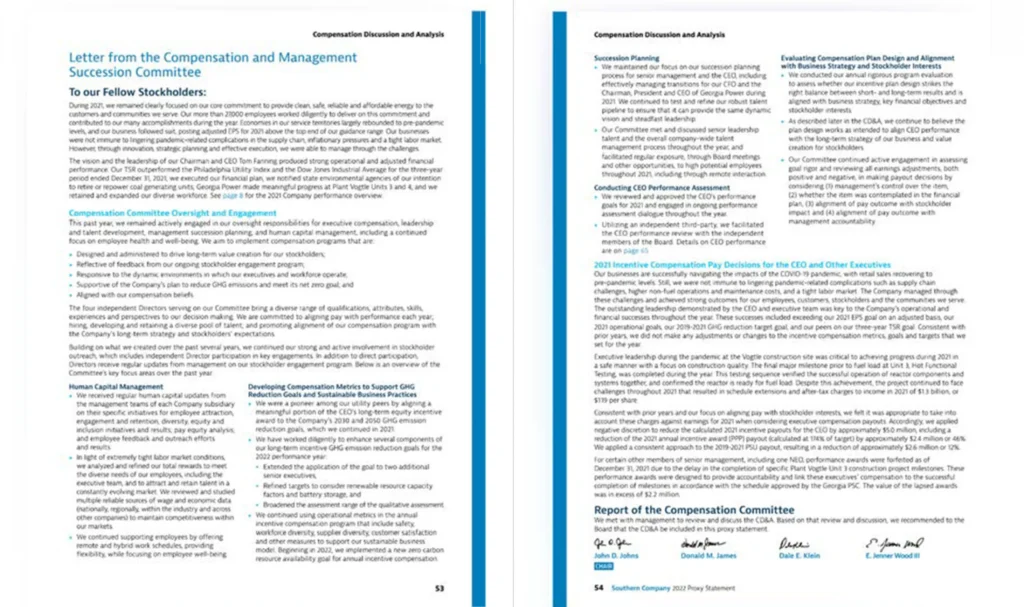
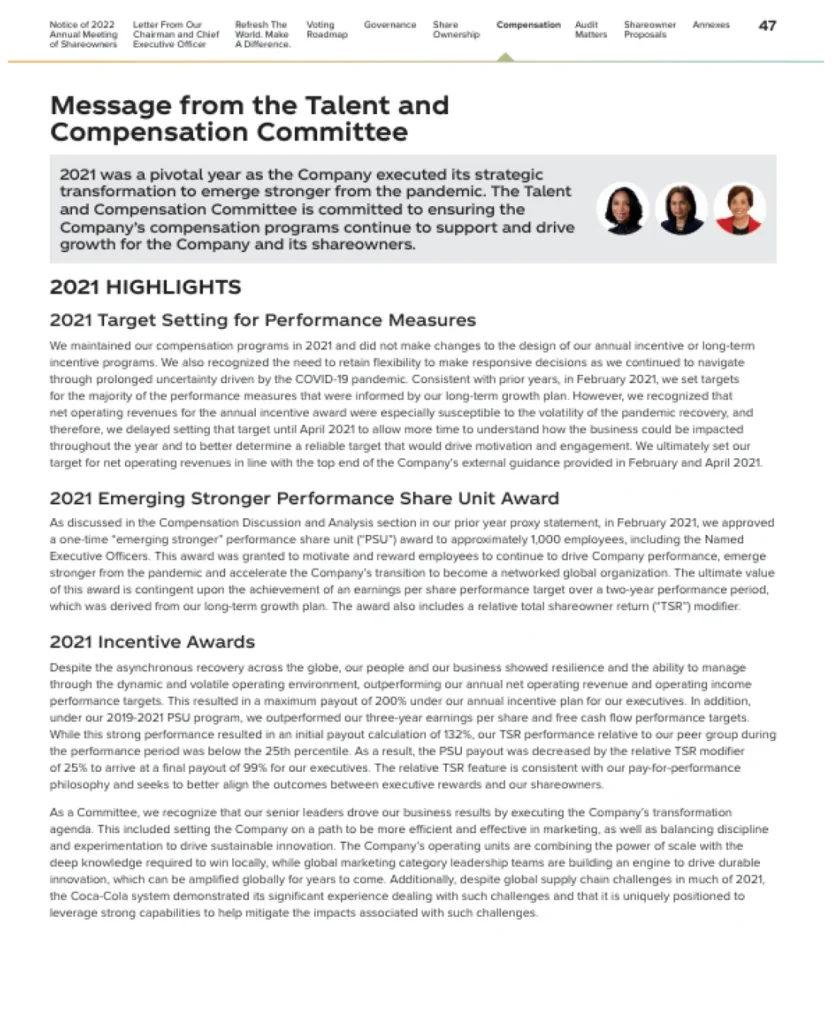
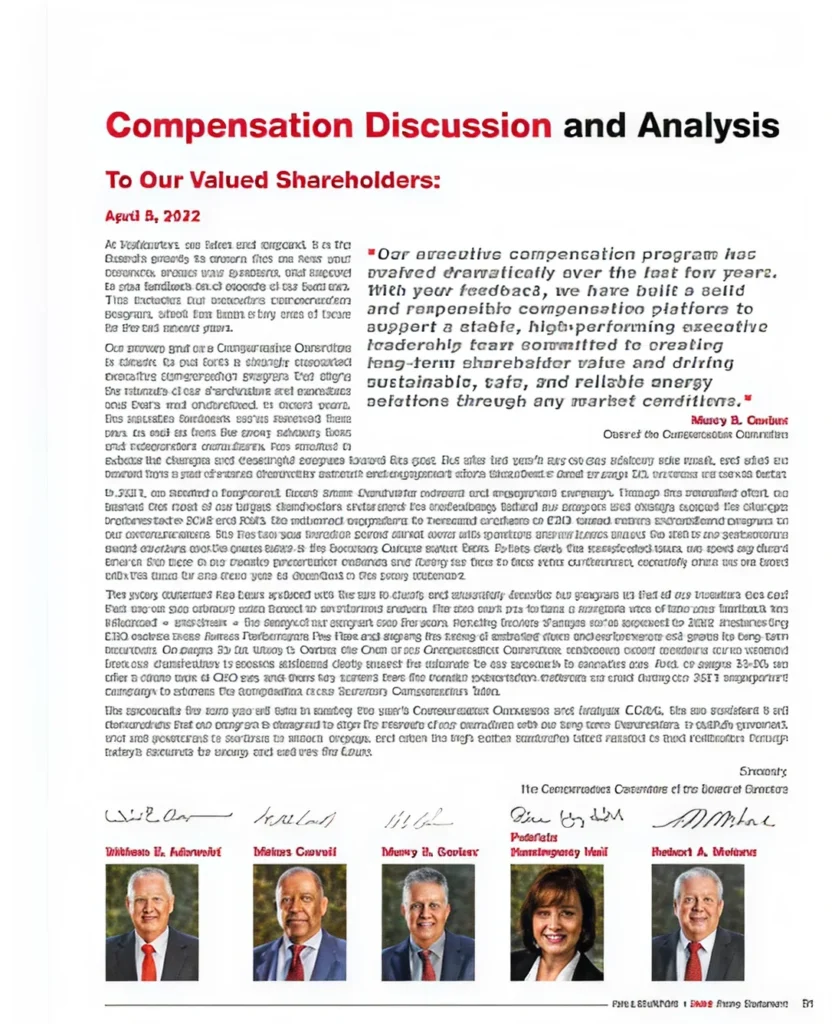
After a low/failed say-on-pay vote, we recommend a carefully considered Compensation Committee letter to explain their rationale for compensation decisions, and any additional changes that have been made.
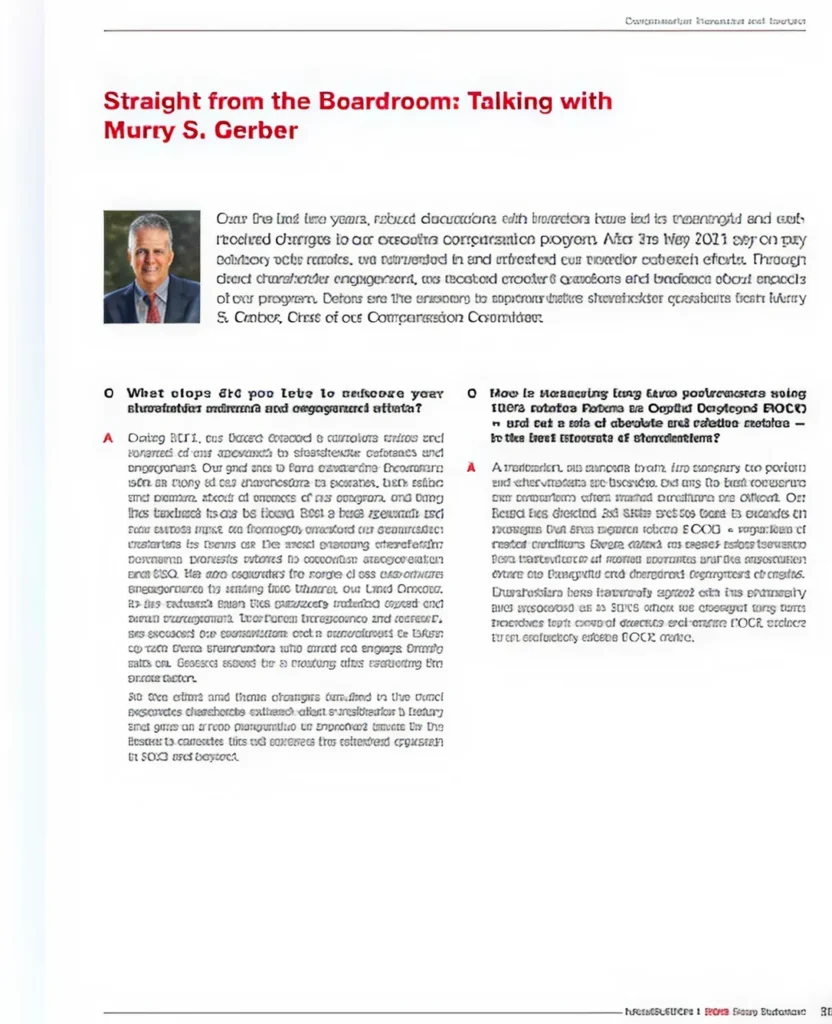
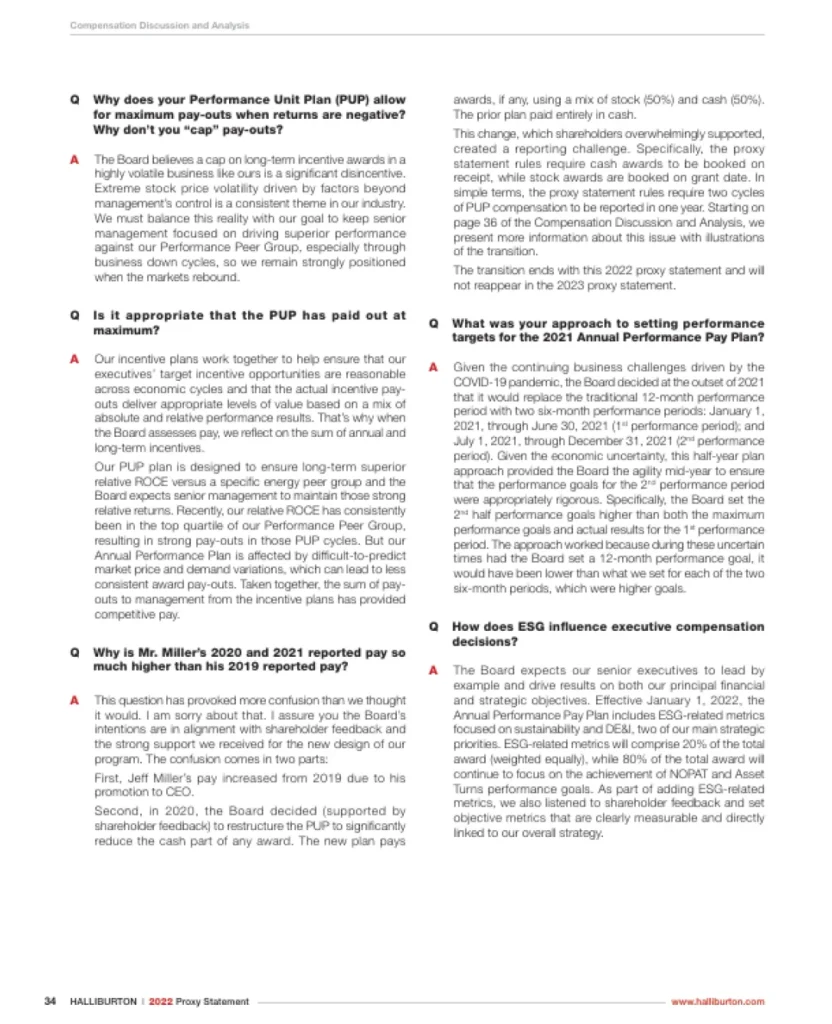
- Halliburton provides a Q&A with the Compensation Committee Chair in addition to the a letter.
- In addition to a standard report for the Compensation Committee, Phillips 66 provides additional commentary on specific aspects of the compensation program throughout their CD&A.
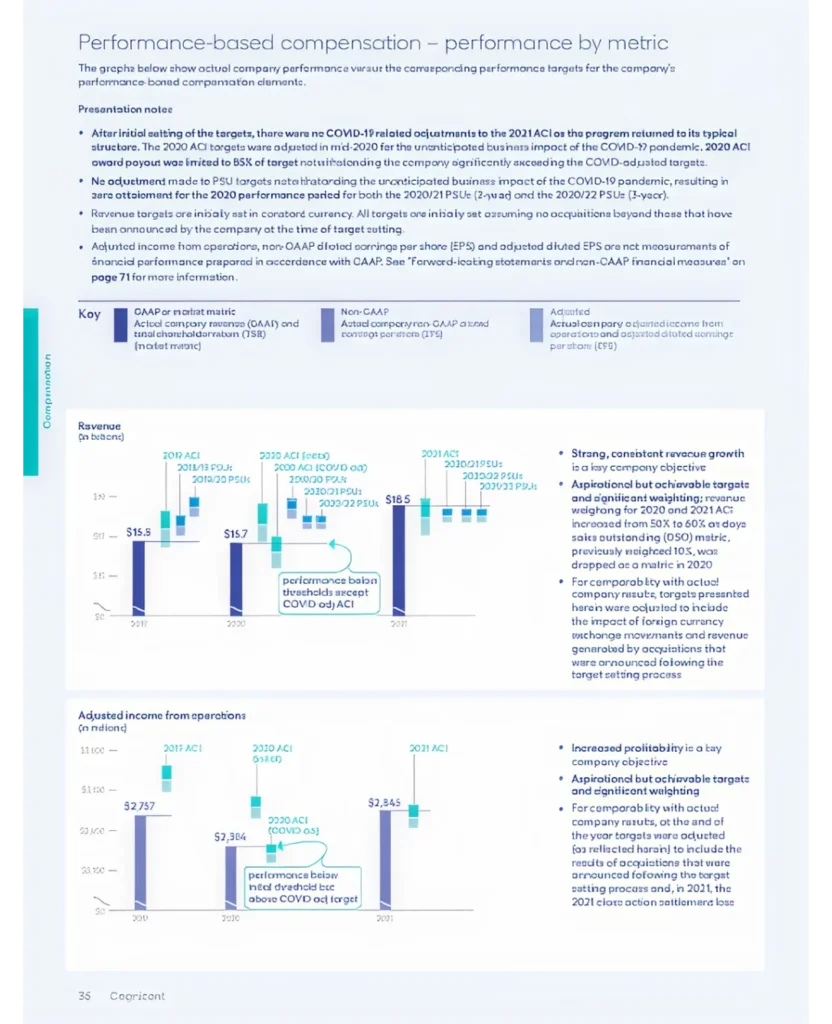
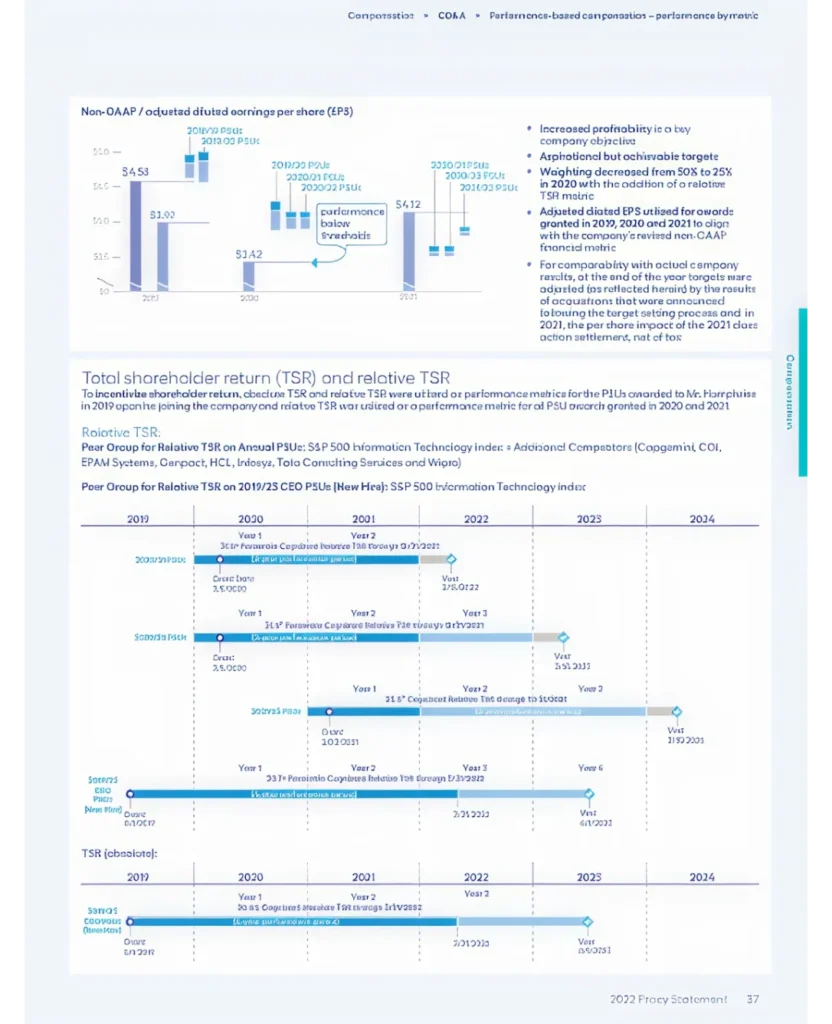
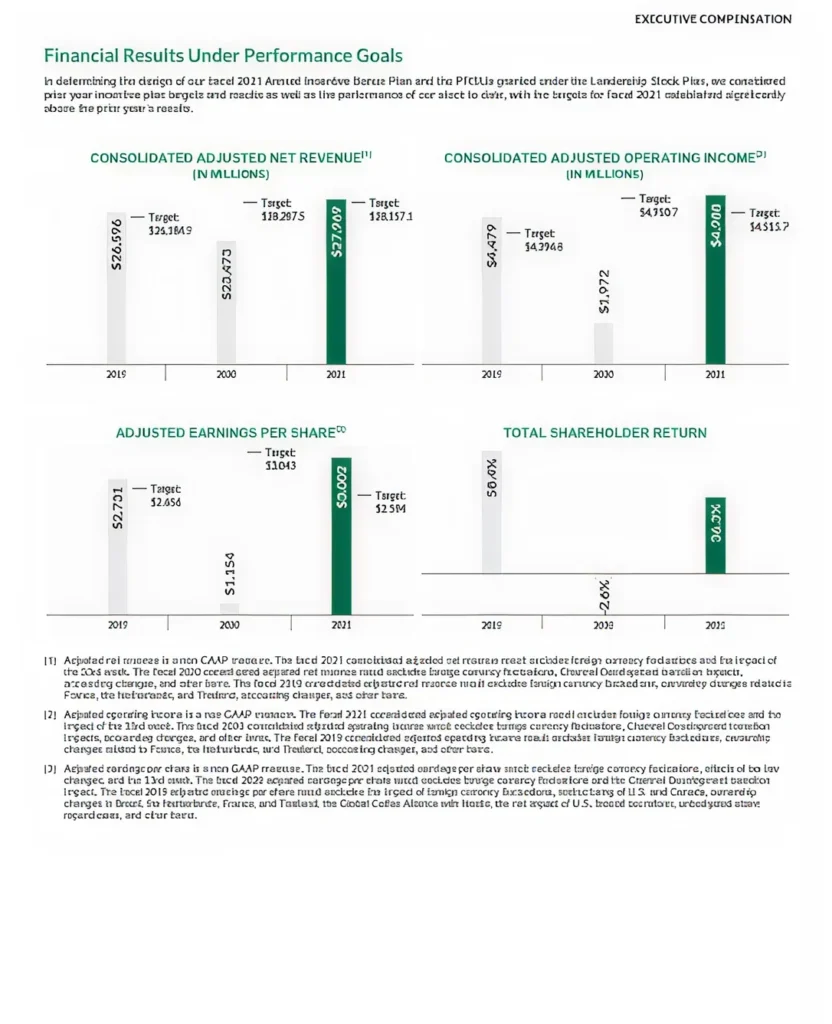
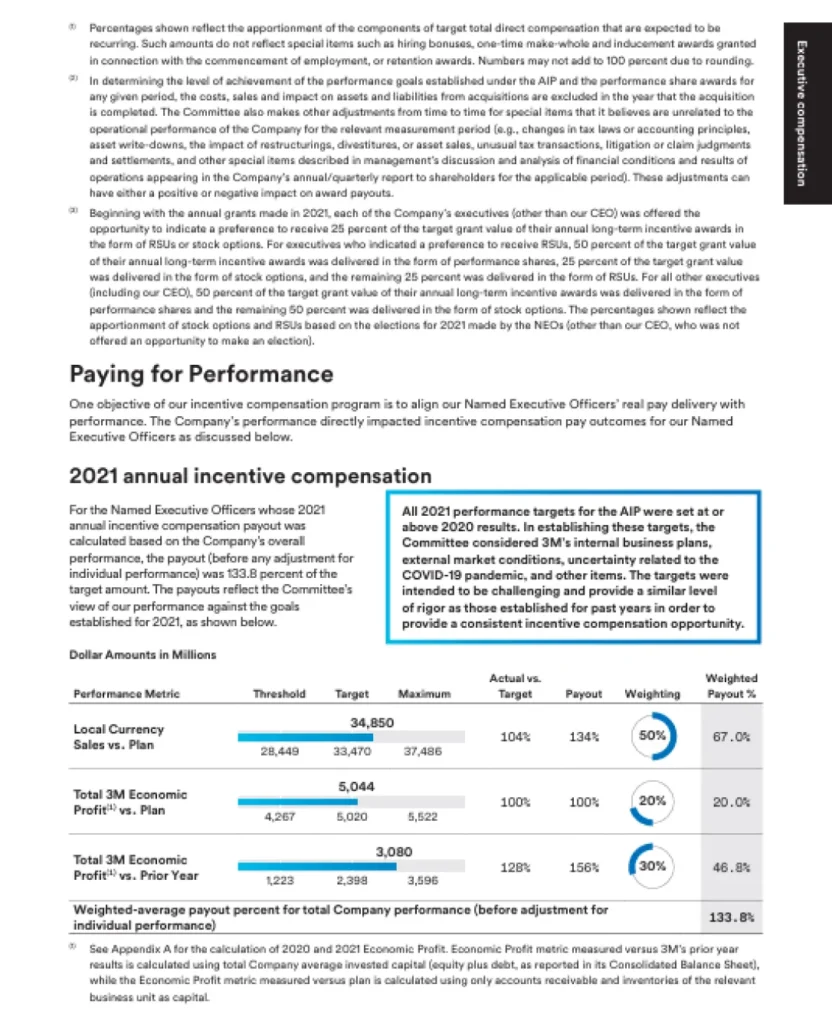
Appropriately Challenging Goals
- Shareholders will want to see that the goals on which compensation is based are challenging, given the company’s business model, industry and past results.
- Show how the process for setting those goals takes those and other company/industry-specific factors into account, resulting in goals that evolve as those factors evolve.
- Evolution of goals over a three-year period
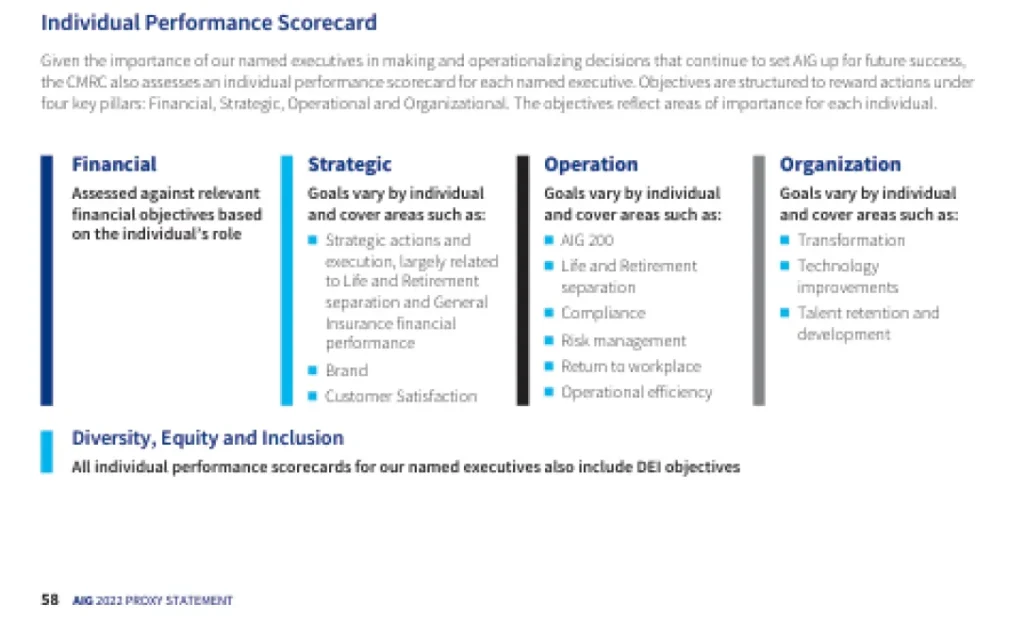
Clear Link Between Compensation Program and Strategy
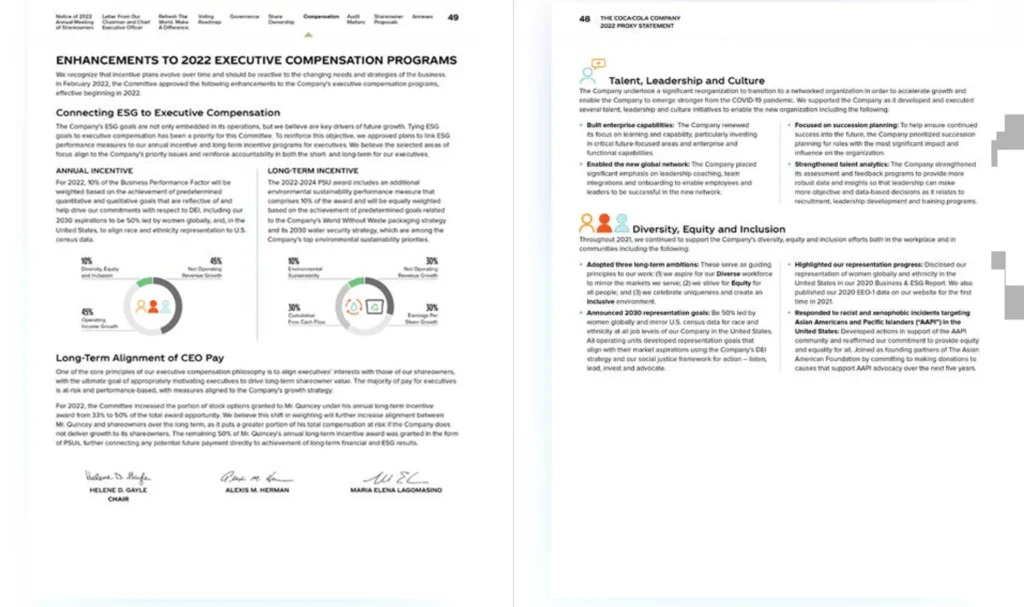
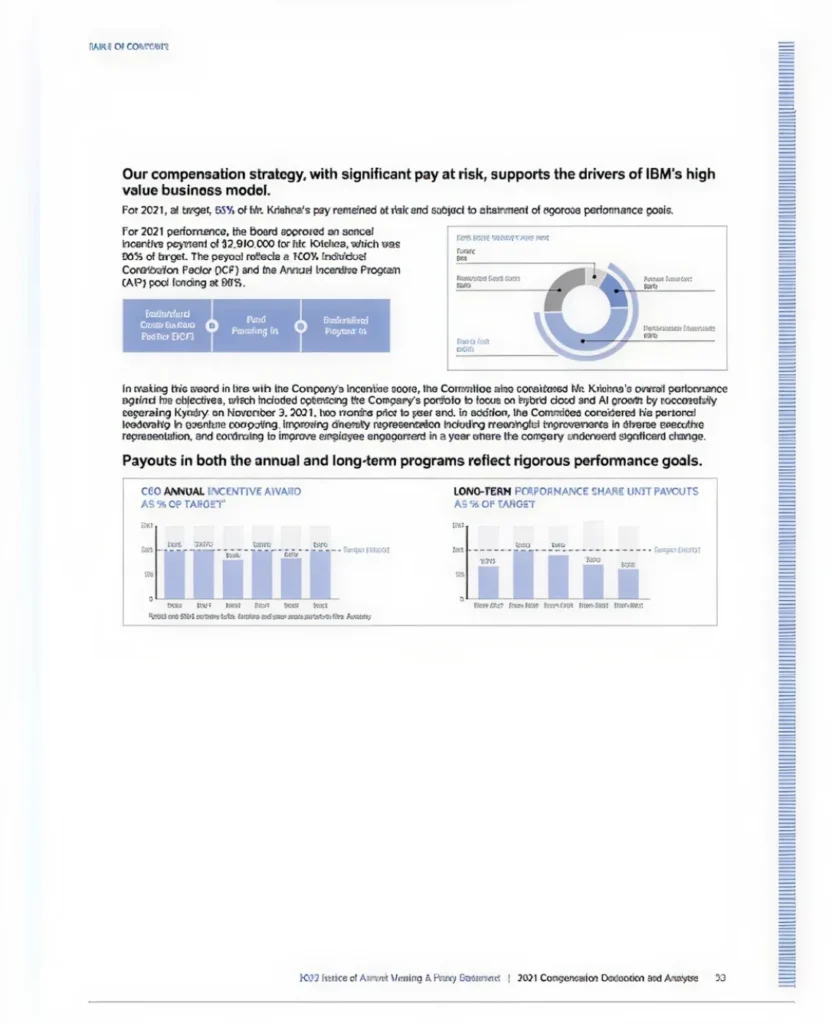
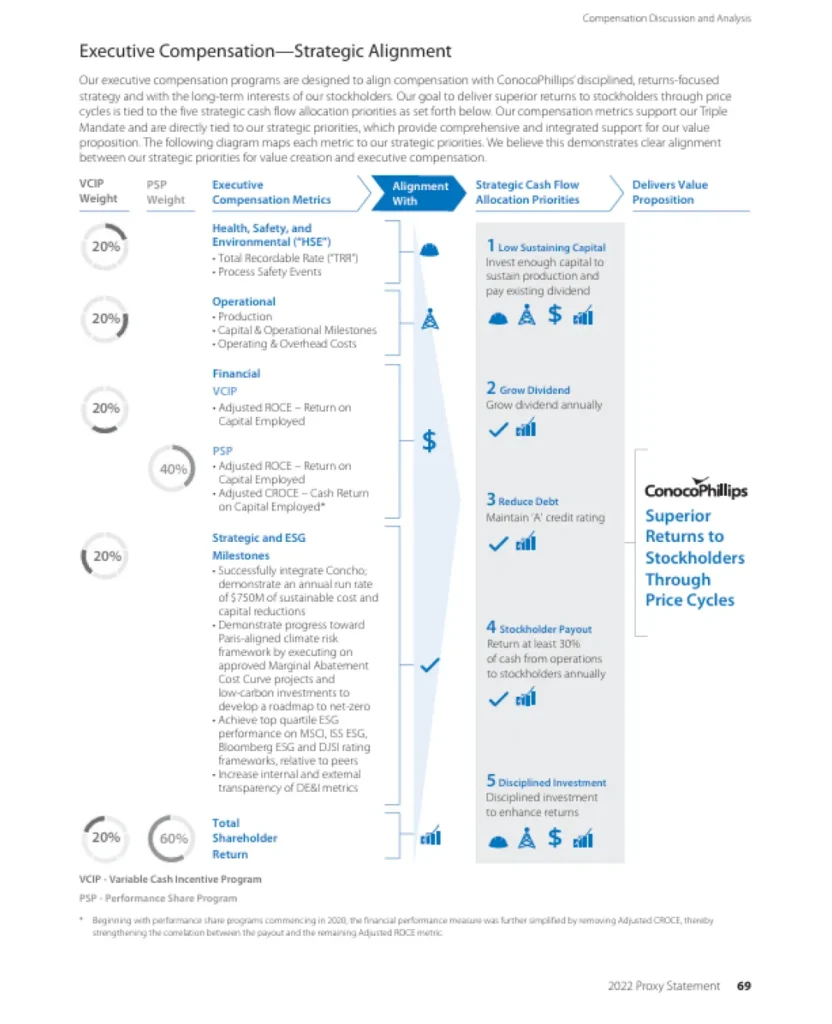
- Compensation program complexity has been a criticism of investor groups, and with this in mind, the link between pay and performance/strategy cannot be made clear enough: